

Flexible airline policies let you adjust travel plans with fewer fees and more options. They’re ideal when life throws unexpected changes your way. Here’s what you need to know:
- Types of Flexible Tickets: Options include fully refundable tickets (full cash refunds), changeable tickets (reschedule with minimal fees), and flexible date tickets (adjust travel within a specific window).
- Cost vs. Benefit: These tickets typically cost about 15% more but can save money and stress in the long run.
- Airline Policies Vary: Major U.S. airlines like Southwest, Delta, and United offer free changes on most fares (excluding Basic Economy), while budget carriers like Spirit and Frontier often charge fees.
- Key Rules to Know: The 24-hour cancellation rule allows free changes or cancellations within 24 hours of booking for flights booked at least 7 days in advance. Refunds for canceled flights depend on ticket type and timing.
- Mistakes to Avoid: Misreading fare rules, missing deadlines, and ignoring policy updates can lead to unexpected costs.
Flexible policies provide peace of mind, especially during uncertain times. They’re worth considering if your plans might change or if you value convenience over the cheapest fares.
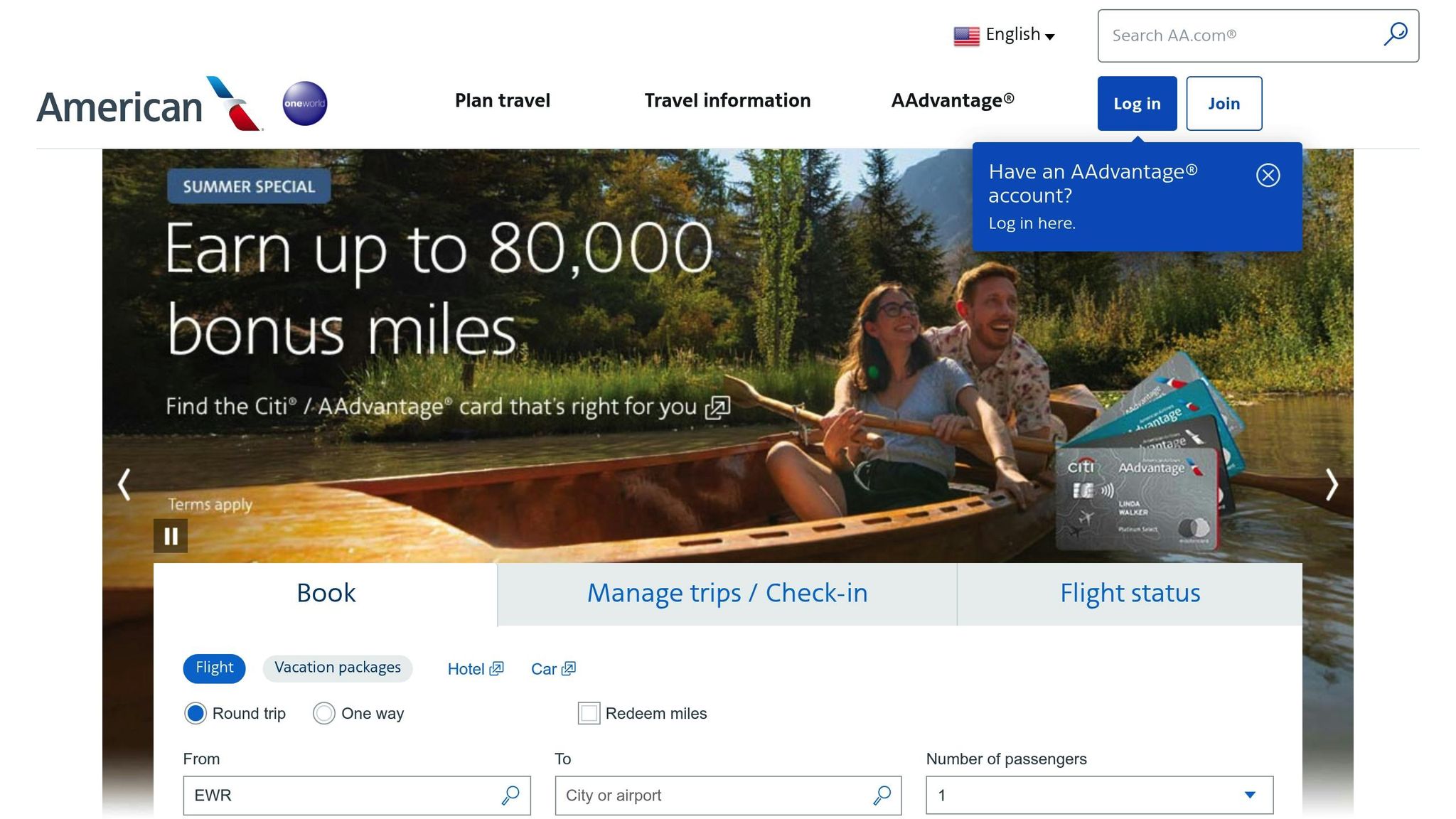
What Is Main Cabin Flexible On American Airlines? – Air Traffic Insider
Types of Flexible Airline Tickets
Airlines offer a range of flexible ticket options designed to meet different travel needs and budgets. Here’s a breakdown of the main types and their key features.
Changeable Tickets
Changeable tickets strike a balance between affordability and flexibility, making them a go-to choice for business travelers or anyone with plans that might shift. These tickets let you reschedule your flight – adjusting the date or time – without paying hefty change fees that typically come with standard fares. Instead, you’ll only cover the difference in fare. If the new flight costs less, some airlines may provide a travel credit, but you’ll need to pay any extra if the price is higher. Keep in mind, changes must be made before your original departure and may come with restrictions like blackout dates. For frequent travelers, paying roughly 15% more upfront for this flexibility often saves money in the long run compared to standard tickets with steep change penalties.
Fully Refundable Tickets
Fully refundable tickets offer the ultimate peace of mind. These tickets allow you to cancel your flight and receive a complete cash refund back to your original payment method. While they come with a higher price tag, they remove the financial risk of last-minute changes or cancellations. According to the U.S. Department of Transportation, airlines must process refunds quickly – within 7 business days for credit card payments and 20 days for cash or check transactions. This option is ideal for travelers dealing with uncertain plans, where the extra cost is worth the security of a guaranteed refund.
Flexible Date Options
Flexible date tickets cater to travelers who need wiggle room in their schedules. They typically allow changes within a 30-day window without penalty fees. This makes them particularly appealing for leisure travelers who aren’t tied to specific dates. Features like open-jaw tickets – where you can arrive in one city and depart from another – add even more convenience. However, these tickets may be harder to find on busy routes or during peak travel times, and blackout dates can apply.
Here’s a quick comparison of these ticket types:
| Ticket Type | Best For | Key Benefit | Main Restriction |
|---|---|---|---|
| Changeable | Business travelers, shifting plans | Adjust flights with minimal fees | Must modify before original departure |
| Fully Refundable | Uncertain travel situations | Full cash refund for cancellations | Higher upfront cost |
| Flexible Date | Leisure travelers with flexibility | 30-day date adjustment window | Limited availability; blackout dates |
Change Fees, Cancellation Terms, and Refund Policies
Airlines have made strides in handling change fees, cancellations, and refunds, offering travelers more flexibility and fewer headaches when plans shift. Since the pandemic, many major carriers have eliminated change fees for standard tickets, making it easier and often cheaper to adjust travel itineraries.
Change Fees by Major Airlines
Most major U.S. airlines no longer charge change fees for tickets beyond Basic Economy. However, fare differences still apply if you switch to a more expensive flight.
- Southwest Airlines stands out by offering completely free changes across all fare types, including same-day changes for Wanna Get Away+, Anytime, and Business Select tickets.
- American Airlines waives change fees for flights originating in North or South America, though international routes from other regions may incur fees up to $400.
- Delta Air Lines and United Airlines follow similar policies, offering free changes on most domestic and North American flights but charging fees for certain international itineraries.
Budget carriers, however, still impose fees. For instance:
- Spirit Airlines charges $59–$99 for changes on Value fares, depending on when the change is made, while premium economy and Spirit First fares allow free changes.
- Frontier Airlines uses a tiered system: no fee for changes made 60+ days before departure, $49 for changes 7–59 days out, and $99 for changes within 6 days of departure.
For same-day changes, expect fees ranging from $50 to $75 with most airlines, though business and first-class passengers often enjoy this service for free. Alaska Airlines, for example, charges just $25 for same-day changes on specific shuttle routes within California or between select cities.
The 24-hour rule remains a vital safety net for travelers. According to the U.S. Department of Transportation, airlines must allow free cancellations or changes within 24 hours of booking if the ticket was purchased at least 7 days before departure.
How to Cancel Flights and Get Refunds
To cancel flights and secure refunds, it’s crucial to know your ticket type and act within the required timeframe. Refundable tickets are straightforward, but even non-refundable tickets often provide travel credits instead of cash refunds.
Timing is everything. Canceling before departure helps preserve the ticket’s value. Most airlines allow online cancellations, which are often quicker and cheaper than calling customer service. For example, JetBlue charges no fee for online changes but adds a $25 fee for phone transactions on Blue fares.
If an airline cancels or significantly delays your flight, you’re entitled to a full refund regardless of ticket type. The DOT defines a significant delay as 3+ hours for domestic flights or 6+ hours for international flights, as well as airport changes or service downgrades.
For refunds, submit your request in writing to the airline. Persistence pays off, as airlines are legally obligated to process refunds within 7 business days for credit card payments and 20 days for cash or check transactions.
Airline Policy Comparison Table
Here’s a quick look at how major U.S. airlines handle flexibility:
| Airline | Change Policy | Cancellation Highlights | Credit Expiration |
|---|---|---|---|
| Southwest | Free on all fares | No fees; full refund on Anytime/Business Select | Credits don’t expire |
| Alaska | Free except Saver fares | Main Cabin gets full credit; Saver fares get 50% credit if canceled 14+ days prior | 12 months |
| American | Free for North/South America | No fees except Basic Economy; AAdvantage members may get trip credit | 12 months |
| Delta | Free except Basic Economy | Most fares cancel free; Basic Economy fees $99–$199 | 12 months |
| United | Free for North America/Caribbean | Almost all tickets except Basic Economy cancel free | 12 months |
| JetBlue | Free online for Blue+ fares | Blue Basic: $100–$200 fee; other fares cancel free online | 12 months |
| Frontier | $0–$99 based on timing | $99 fee per direction | 90 days |
| Spirit | Free on premium fares; $59–$99 on Value fares | $99 fee on Go fares | 90 days |
Basic Economy fares remain the least flexible, with most airlines prohibiting changes and imposing high cancellation fees. If your plans might change, it’s worth avoiding these restrictive tickets.
While the pandemic prompted airlines to adopt more generous policies, some are starting to tighten their terms again. Southwest continues to set the standard for flexibility, while budget carriers like Frontier and Spirit stick with traditional fee structures to keep base fares low.
When choosing an airline, weigh the upfront ticket price against potential change fees. Spending a bit more on a flexible ticket often saves money in the long run compared to bargain fares with steep modification costs.
Tips for Booking Flexible Flights
Booking flexible flights can save you money and reduce stress when plans change. It’s all about knowing what to look for and making smart choices based on your needs.
How to Find Flexible Fare Options
Airlines use different labels for flexible tickets, like “Flexible Fare”, “Fully Refundable”, or “Free Change”. To make things easier, use search filters such as “flexible dates” or “refundable only” when browsing for flights.
Pay close attention to the fare rules, as the definition of “flexible” varies by airline. For instance, Basic Economy fares are usually non-refundable and restrictive, so it’s better to choose fare classes labeled as “flex” or “standard”. While flexible fares might cost about 15% more than standard tickets, the extra expense can be worth it if there’s a chance you’ll need to modify your plans. Booking directly through an airline’s website often comes with better change terms, and tools for searching flexible dates can help you find cheaper options when your schedule isn’t set in stone.
Using Travel Assistance Services
Travel assistance services can be a lifesaver when dealing with complicated airline policies. For example, Flight Booking 247 offers 24/7 support to help with booking, changing, or canceling both domestic and international flights. Their team can access real-time flight deals and compare flexible fare options across multiple airlines, saving you time and ensuring you understand the fine print. This kind of support is especially handy during unexpected disruptions when quick decisions are needed.
Other Flexibility Factors
- Travel Insurance: Protect yourself from unexpected costs if you need to cancel due to illness or emergencies.
- 24-Hour Cancellation Rule: U.S. regulations allow penalty-free cancellations within 24 hours of booking, as long as the flight is at least seven days away.
- Credit Validity: Keep track of credit expiration policies. Most airlines offer credits valid for 12 months, but budget carriers may limit them to just 90 days.
- Blackout Dates and Restrictions: Watch for limitations during peak travel periods, as these can affect how flexible your ticket really is.
Common Mistakes to Avoid
When it comes to flexible tickets, even seasoned travelers can stumble into avoidable mistakes. Airlines’ policies can be tricky to navigate, and a simple oversight might lead to unexpected fees or disrupted plans. Let’s break down some common pitfalls and how to steer clear of them.
Misreading Fare Rules
A frequent error is assuming all “flexible” tickets come with the same perks. Airlines often use complicated fare terminology, which can confuse even experienced travelers. For instance, many people think “free cancellation” means they’ll get a cash refund. In reality, most airlines issue a credit or voucher, often with an expiration date.
To avoid surprises, carefully review the fare rules before hitting “book.” Pay close attention to refund details and any deadlines for cancellations or changes. Acting within these timeframes is crucial to retaining your ticket’s value.
Missing Change and Cancellation Deadlines
Timing is everything when it comes to flexible tickets. Missing a cancellation deadline can mean losing the entire value of your ticket. Worse yet, failing to cancel on time might result in a no-show, which could cancel your entire itinerary.
For example, easyJet updated its policy in December 2024, requiring passengers to be at the airport within two hours of a missed flight to qualify for rebooking. Meanwhile, airlines like Delta may only offer rebooking if you have a valid reason for missing your flight.
“Airlines are most likely to assist you with another flight if you call them as early as possible. There is a high likelihood that they will book you on the next flight when you call while on the way due to external delays.” – Martin Seeley, CEO of MattressNextDay
If you know you’ll miss your flight, contact the airline immediately. Acting quickly can make all the difference.
Ignoring Policy Updates
Airline policies are constantly evolving, and staying in the loop is essential. A policy change can turn your flexible ticket into a source of stress if you’re caught unaware. For instance, in early 2025, Delta and United Airlines extended their domestic check-in deadlines from 30 minutes to 45 minutes before departure. This change left some travelers scrambling when bag-drop counters closed earlier than expected.
To stay informed, download your airline’s app for real-time updates, check your email for notifications, and review the airline’s website before your trip. Even small adjustments can have a big impact on your travel plans.
A McKinsey survey revealed that while 33% of travelers prioritize price, ease of booking and brand trust are equally important to 20% of respondents. Staying updated on policy changes can help you avoid last-minute surprises and maintain confidence in your travel plans.
Conclusion
Flexible airline policies turn the unpredictability of travel into manageable adjustments. The trick lies in understanding your options and using them wisely.
Key Points Summary
Flexible tickets come in various forms, each offering different levels of convenience. Changeable tickets allow you to shift dates and times, though fare differences may apply. Fully refundable tickets offer the ultimate safety net with cash refunds, while flexible date options give you breathing room when plans are uncertain. On average, these tickets cost about 15% more than standard fares, a premium that many find worthwhile.
Airline policies vary significantly. Some airlines provide nearly fee-free changes, while others have tiered fee structures. Understanding these differences is essential for making informed decisions.
How you book matters. Booking directly through airlines often simplifies changes and cancellations. It’s also smart to research specific airline policies in advance, especially since basic economy fares usually come with the most restrictions. For added protection, consider travel insurance or credit cards that offer travel benefits.
These factors highlight the importance of flexibility in modern travel planning.
Why Flexibility Helps Travel Planning
Flexible policies act as a safety net against life’s curveballs. Flight cancellations, travel restrictions, and last-minute changes become manageable rather than costly disasters. Take Southwest’s holiday meltdown in 2022, for instance, when approximately 3,000 flights were canceled per day. Travelers with flexible tickets had options, while others faced significant losses.
Flexible tickets also save money on rebooking fees and help you take advantage of better deals. In fact, nearly 80% of autonomous employees report higher engagement at work, suggesting that travel flexibility enhances overall job satisfaction. Furthermore, 79% of North American travelers and 83% of European travelers say their business travel experience directly impacts their job satisfaction.
With about 20% of flights delayed and 30% of disruptions caused by weather, having flexible options is key to navigating these challenges. These policies allow for adaptability in the face of unexpected events.
Ultimately, flexible airline policies are more than just a backup plan – they’re practical tools for smarter travel. By understanding and using these options, you can protect your wallet, reduce stress, and make adjustments with ease. Whether it’s a family vacation or a business trip, choosing the right flexible fare ensures your plans stay intact. For personalized assistance, Flight Booking 247 is available around the clock to help you secure the best options for your travel needs.
FAQs
Is paying extra for a flexible airline ticket a good choice for my travel plans?
Whether spending extra on a flexible airline ticket makes sense really depends on how likely your travel plans are to shift. If there’s even a small chance you’ll need to tweak your itinerary – maybe for work, personal reasons, or an unpredictable schedule – flexible tickets can save you from hefty fees for changes, cancellations, or rebooking. They also offer peace of mind, making them especially useful for trips where the details are still up in the air.
On the other hand, if your travel plans are locked in and unlikely to change, sticking with a non-refundable ticket can save you money. Think about your specific situation – flexible tickets are worth it when convenience and the ability to adjust plans are top priorities.
What’s the difference between change and cancellation policies for major U.S. airlines and budget carriers?
When booking with major U.S. airlines, you’ll often find more lenient change and cancellation policies. Many of these airlines allow free changes or cancellations if made within 24 hours of booking. Plus, most have done away with change fees for both domestic and international flights, making it easier to adjust travel plans without breaking the bank.
On the other hand, budget airlines tend to have tighter restrictions. They typically charge higher fees for changes or cancellations and often offer travel credits or vouchers instead of refunds. Their basic fares are usually less flexible, so while you might save money initially, unexpected changes to your itinerary could end up costing you more.
What should I do if I need to cancel or change my flight unexpectedly?
If you find yourself needing to cancel or change your flight due to unexpected events, the first step is to locate your booking confirmation number. Use this to access your reservation through the airline’s website or mobile app. Once there, look for the options to modify or cancel your flight and carefully follow the airline’s instructions. Time is key – making changes as early as possible, ideally before your departure date, can help you steer clear of additional fees.
Most airlines allow for refunds or travel credits if you make changes or cancellations within specific timeframes, such as the 24-hour grace period after booking. Always take a moment to review the airline’s policies, as the rules can differ. If you’re unsure or need extra help, services like Flight Booking 247 are available around the clock to guide you through the process, making it easier and less stressful.