
When traveling abroad, using the right credit card can save you money, protect your finances, and even enhance your travel experience. Here’s what you need to know:
- Avoid Fees: Choose cards with no foreign transaction fees to save 1%-3% per purchase. Always pay in local currency to dodge costly Dynamic Currency Conversion (DCC) markups.
- Travel Benefits: Many cards offer perks like travel insurance, rental car coverage, and airport lounge access. Some even reimburse TSA PreCheck or Global Entry fees.
- Rewards: Look for cards that earn points or miles on travel, dining, and everyday purchases. Transferable rewards provide flexibility for flights and hotels.
- Top Picks: Consider options like the Chase Sapphire Preferred for flexibility, Capital One Venture for simplicity, or Bilt Mastercard for no annual fee and rent rewards.
Quick Comparison:
| Card | Annual Fee | Foreign Transaction Fee | Key Features |
|---|---|---|---|
| Capital One Venture Rewards | $95 | None | 2x miles on all purchases, 5x on travel bookings |
| Chase Sapphire Preferred | $95 | None | Transferable points, travel insurance |
| Amex Gold | $325 | None | 4x on dining, annual dining/Uber credits |
| Capital One VentureOne | $0 | None | No annual fee, unlimited miles |
| Bilt Mastercard | $0 | None | Earn points on rent, dining, and travel |
Pro Tip: Notify your bank before traveling, set up a PIN for your card, and carry two cards from different networks for backup. Always plan ahead to maximize rewards and minimize fees.
Keep reading for tips on choosing the best card, understanding fees, and using your credit card safely abroad.
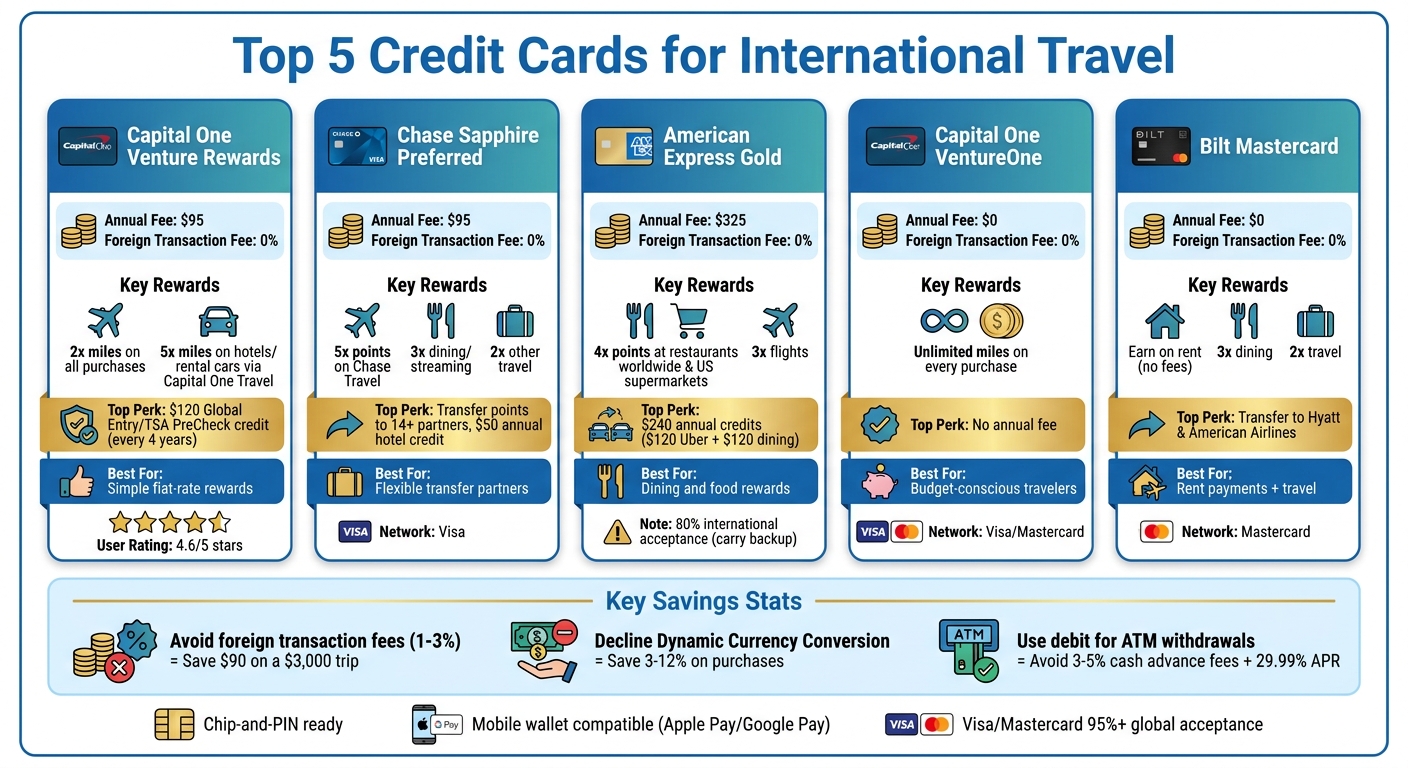
Best Credit Cards for International Travel: Fee and Rewards Comparison
The ONLY 5 Credit Cards You Need For Travel In 2025
sbb-itb-e205081
Fees and Costs When Using Credit Cards Abroad
Using your credit card abroad can come with unexpected charges that add up quickly. The most common culprits? Foreign transaction fees, dynamic currency conversion (DCC), and ATM-related costs. Let’s break these down and explore ways to keep your travel expenses in check.
Foreign Transaction Fees
Foreign transaction fees are added whenever you make a purchase in a currency other than U.S. dollars or when the transaction is processed by a foreign bank. Typically, these fees range from 1% to 3% of the purchase amount, combining a network fee and an issuer markup.
For example, on a $4,550 trip, you could face about $136.50 in extra charges. If you’re someone who spends $15,000 annually on international purchases, that’s approximately $450 a year – or a staggering $13,500 over 30 years! These fees are often hidden within the converted amount on your statement, making them easy to overlook.
To avoid these charges, consider credit cards that waive foreign transaction fees, especially if you travel frequently.
Dynamic Currency Conversion (DCC)
Dynamic Currency Conversion (DCC) might seem helpful at first glance. It allows merchants or ATMs to charge your card in U.S. dollars instead of the local currency. But here’s the catch: the exchange rate is determined by the merchant’s bank or a third-party processor, and it often includes hefty markups ranging from 3% to 12%. In fact, a study of 1,500 transactions revealed that 99.7% of DCC transactions were more expensive than letting your bank handle the conversion.
In Europe, some markups have been reported to reach as high as 13.7%. What’s worse, agreeing to DCC doesn’t exempt you from your card’s foreign transaction fee – so you could end up paying double. The best strategy? Always opt to pay in the local currency and decline any “guaranteed rate” offers.
ATM and Cash Advance Fees
Using credit cards for cash withdrawals abroad can be costly. These transactions are treated as cash advances, which typically come with a fee of 3% to 5% of the amount withdrawn. On top of that, you may encounter fixed international ATM fees of $3 to $5 and additional foreign operator fees ranging from $2 to $10. To make matters worse, cash advances start accruing interest immediately – often at rates as high as 29.99% – without a grace period.
For instance, withdrawing $200 from an ATM could cost you anywhere from $14 to $16 in total fees. To sidestep these expenses, use a travel-friendly debit card for cash withdrawals. And as with purchases, always choose to be charged in the local currency to take advantage of the network’s exchange rate.
How to Choose a Credit Card for International Travel
When you’re traveling abroad, picking the right credit card can save you money and unlock some great travel perks.
No Foreign Transaction Fees
One of the most important features to look for is no foreign transaction fees. These fees, typically 2% to 3% per transaction, can add up quickly. For example, if you spend $3,000 on your trip, you could end up paying $90 just in fees. Thankfully, many credit card issuers have eliminated these charges. For instance, Capital One and Discover cards come with zero foreign transaction fees, and popular travel-focused cards like the Chase Sapphire Preferred (with a $95 annual fee) or Wells Fargo Autograph (no annual fee) also waive this cost.
Another thing to consider is the card’s network. Visa and Mastercard have the widest acceptance globally, with over 95% of international merchants accepting these cards.
Once you’ve tackled fees, it’s time to look at rewards and perks.
Rewards and Perks
Travel credit cards often offer elevated rewards on purchases like flights, hotels, and dining – typically earning 3× to 5× points compared to the 1% to 2% rewards on standard cards. If you like flexibility, look for cards that let you transfer points to multiple airline and hotel partners. These transferable points often have higher redemption values, ranging from 1.5¢ to 2¢ per point.
Premium travel cards also come with extra benefits that can save you money and make trips more enjoyable. Common perks include trip cancellation insurance, lost luggage coverage, and rental car insurance, which can save you $15 to $40 per day. Some cards even offer lounge access through programs like Priority Pass, giving you entry to over 1,300 airport lounges worldwide. Other perks include statement credits for Global Entry or TSA PreCheck, worth up to $100, which can streamline your airport experience.
Understanding the rewards and perks available will help you pick a card that matches your travel style.
Co-Branded vs. General Travel Credit Cards
Next, decide whether a co-branded or general travel card better suits your needs.
Co-branded cards are tied to specific airlines or hotel chains, such as Hilton Honors or Delta SkyMiles. They often include perks like free checked bags, priority boarding, and room upgrades. However, these benefits are limited to the brand, which can restrict your options.
General travel cards, like the Chase Sapphire or Capital One Venture, offer more flexibility. You can transfer points to a variety of travel partners, use them through travel portals, or redeem them as statement credits. While they may not offer brand-specific perks, they allow you to shop around for the best deals across airlines and hotels.
Here’s a quick comparison:
| Feature | General Travel Cards (e.g., Chase Sapphire) | Co-Branded Cards (e.g., Hilton Honors, Delta SkyMiles) |
|---|---|---|
| Flexibility | High; points can be used with multiple partners | Low; rewards are tied to one brand |
| Redemption | Versatile; covers a variety of travel expenses or statement credits | Focused; best for brand-specific stays or flights |
| Benefits | Broad; includes lounge access, travel credits, and insurance | Targeted; perks like free checked bags and elite status |
| Best For | Those who want flexibility and value across brands | Brand loyalists who stick to one airline or hotel chain |
If you like to compare flight prices or switch hotels based on deals and locations, a general travel card might be your best bet. But if you’re loyal to a specific airline or hotel chain, a co-branded card can deliver better rewards and perks tailored to your preferences.
Top Credit Cards for International Travel
If you’re planning to travel abroad, having the right credit card can make all the difference. Here are five standout options that can save you money, earn rewards, and simplify your trips.
Capital One Venture Rewards Credit Card
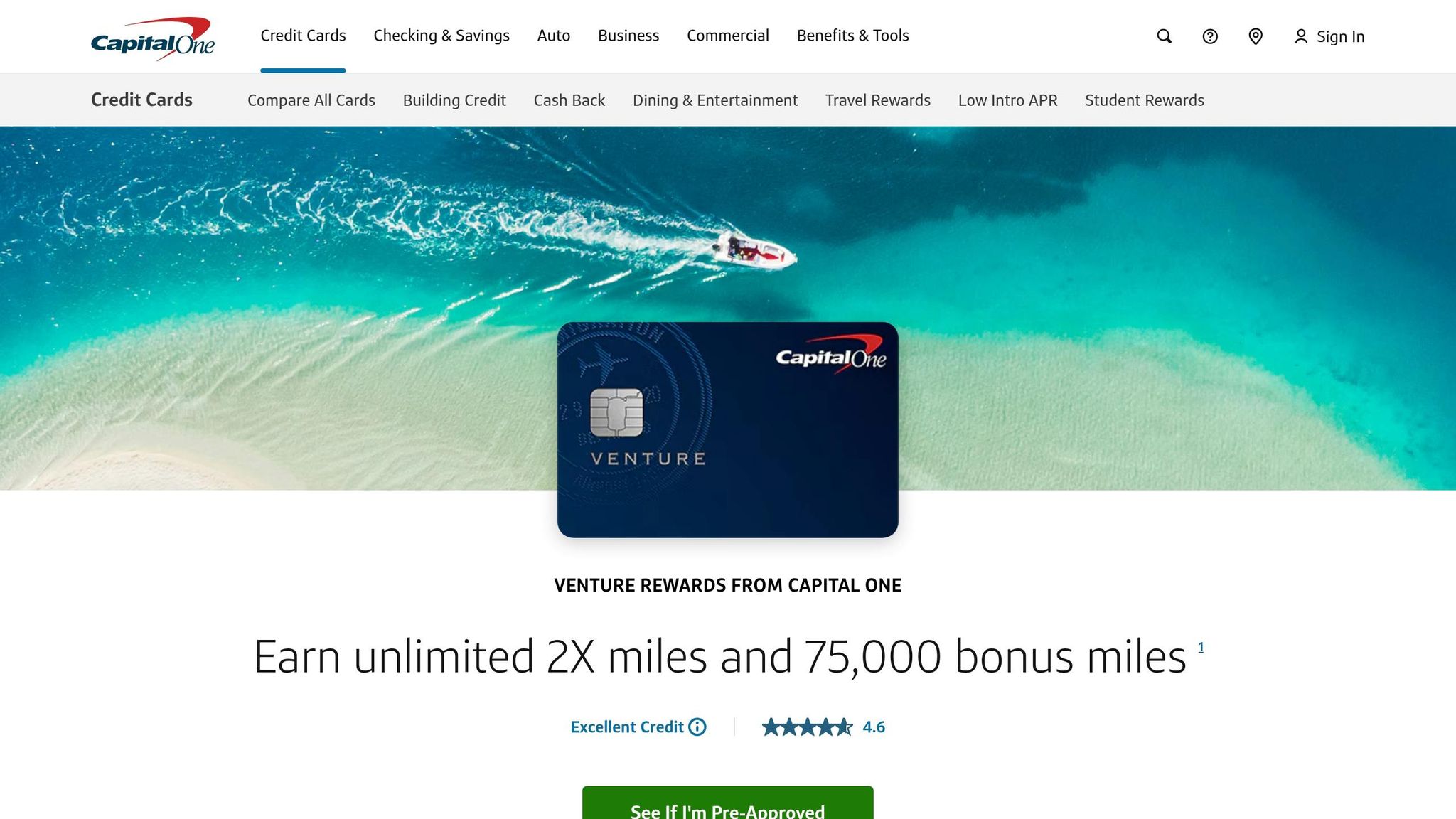
The Capital One Venture Rewards card is all about simplicity. You earn 2x miles on every purchase and 5x miles on hotels and rental cars booked through Capital One Travel. No need to juggle categories or keep track of rotating bonuses – it’s straightforward and hassle-free.
While there’s a $95 annual fee, the card offers a $120 credit for Global Entry or TSA PreCheck every four years, making airport security a breeze. Other perks include Hertz Five Star status and no foreign transaction fees, which can save you a lot while traveling. With a 4.6/5 rating from over 10,000 reviews and 93% of users recommending it, this card is a favorite among frequent travelers.
Chase Sapphire Preferred® Card
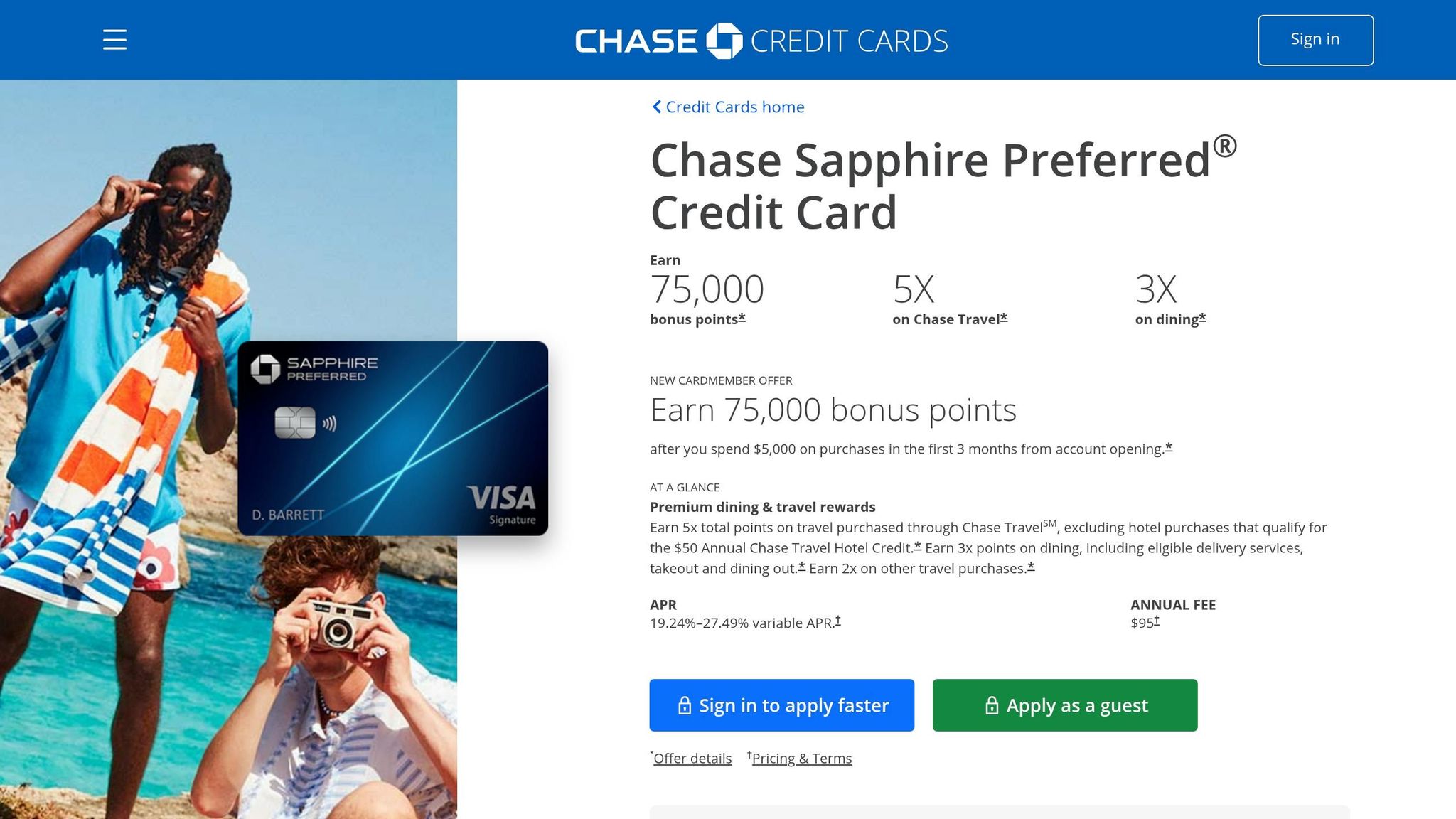
The Chase Sapphire Preferred® Card is often celebrated as a top pick for travelers starting their rewards journey. It offers 5x points on travel booked through Chase Travel, 3x points on dining and select streaming services, and 2x points on other travel purchases.
What makes this card stand out is its flexibility. Points can be transferred at a 1:1 ratio to 14+ airline and hotel partners, including popular programs like Hyatt, United, and Southwest. It also includes primary rental car insurance and a $50 annual hotel credit for bookings through Chase Travel. For a $95 annual fee and no foreign transaction fees, it provides excellent value.
“When it comes to my points and miles game, this is the card that started it all for me. I hoard my Chase Ultimate Rewards points like they’re gold bars… zero foreign transaction fees [are why] my Sapphire Preferred and I are inseparable every time I go abroad.” – Sarah Foster, Principal U.S. Economy Reporter, Bankrate
American Express® Gold Card
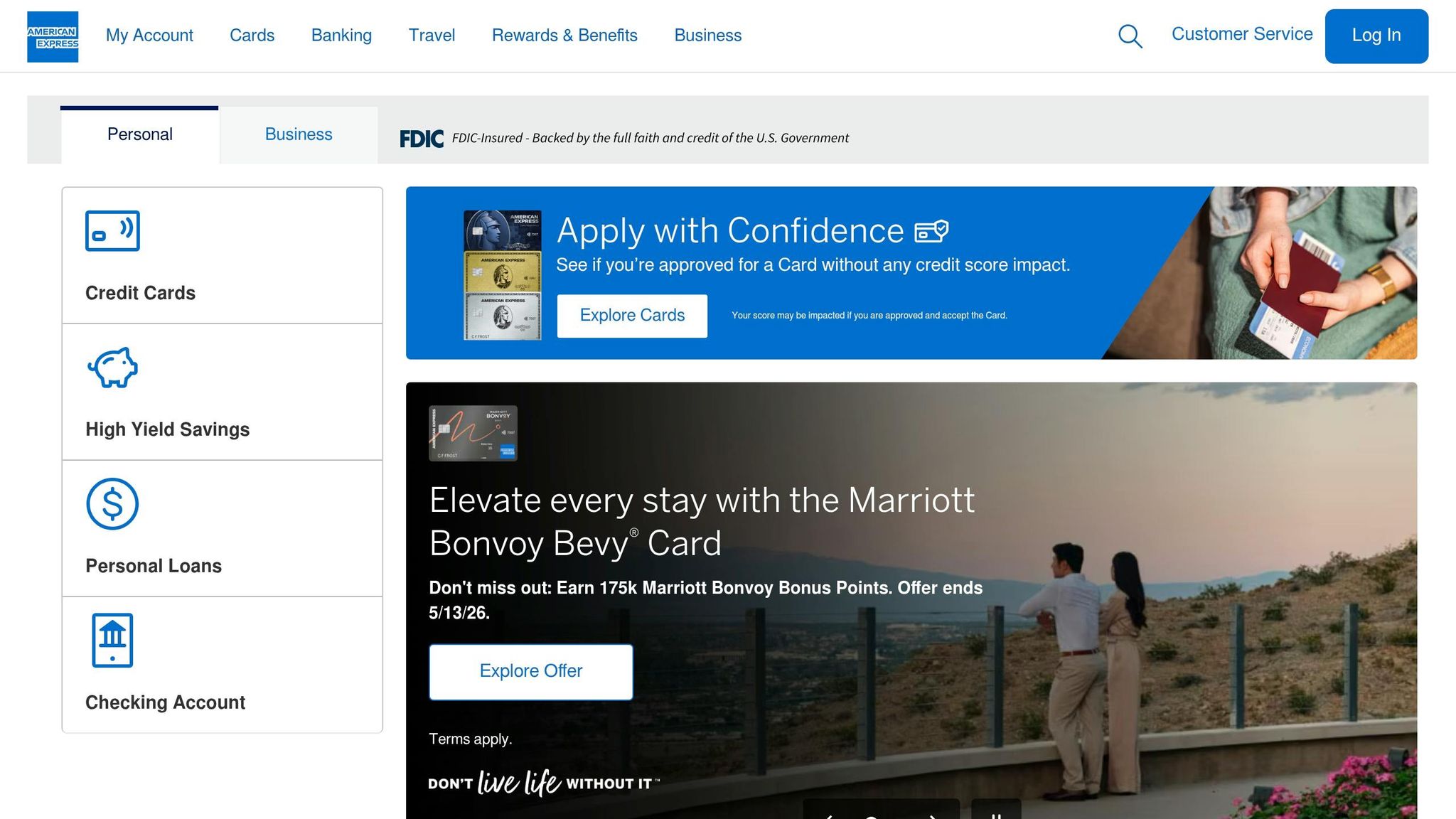
If food is a big part of your travel plans, the American Express® Gold Card is a great match. You’ll earn 4x points at restaurants worldwide and U.S. supermarkets, plus 3x points on flights booked directly with airlines.
The card does come with a $325 annual fee, but it offers $240 in annual credits ($120 in Uber Cash and $120 in dining credits) to help offset the cost. One thing to note: American Express is accepted at about 80% of international merchants, compared to Visa and Mastercard’s 95%+ acceptance rate. It’s wise to carry a backup card for smaller or rural businesses.
Capital One VentureOne Rewards Credit Card
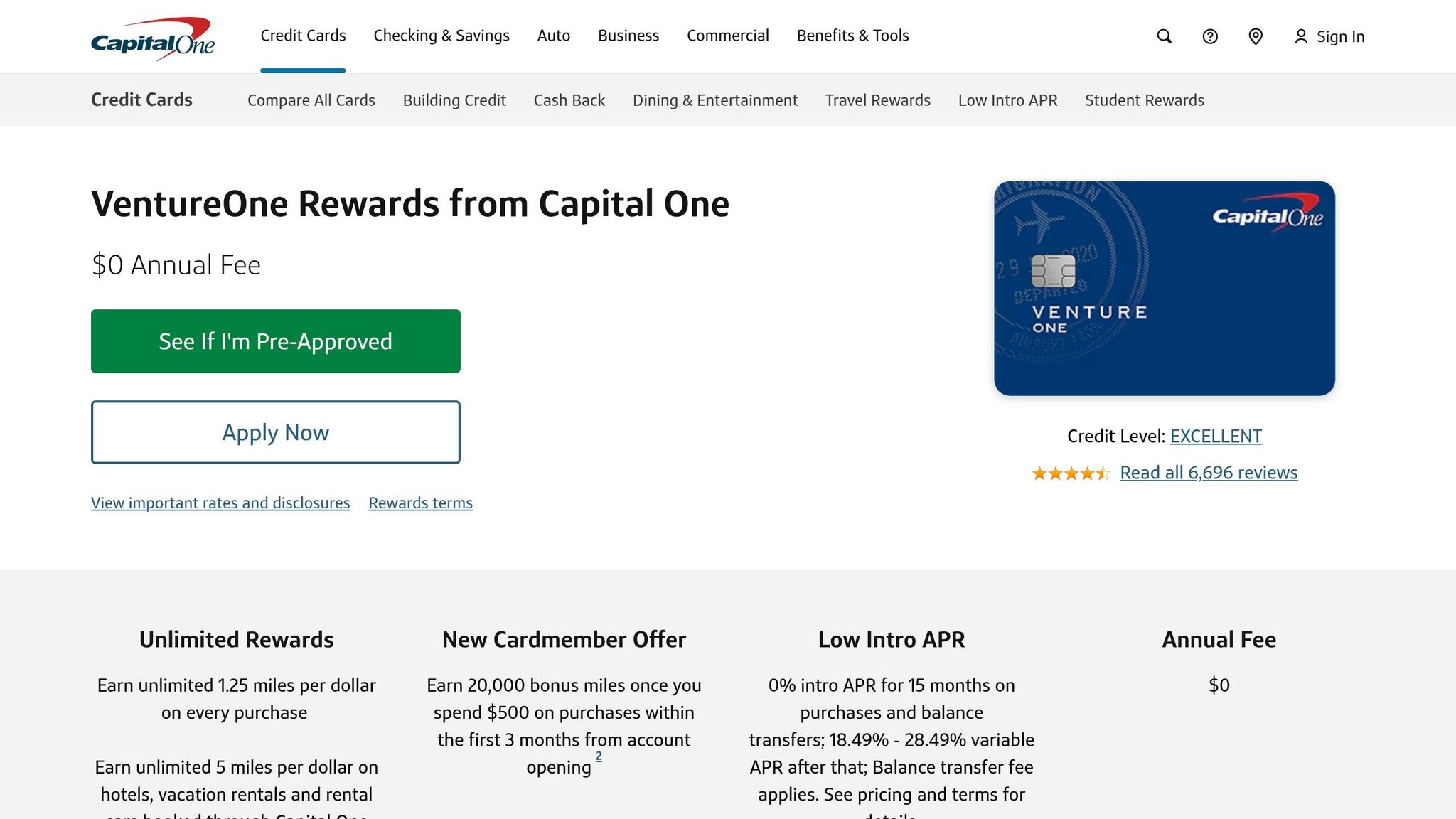
For those who prefer a no-annual-fee option, the Capital One VentureOne Rewards card is worth considering. It earns unlimited miles on every purchase and has no foreign transaction fees, all while charging $0 annually.
Although the rewards rate isn’t as high as premium cards, it’s a solid choice for occasional travelers who want to keep expenses low. You’ll still enjoy the flexibility of redeeming miles for travel purchases without restrictions or blackout dates.
Bilt Mastercard®

The Bilt Mastercard® is unique in that it lets you earn rewards on rent payments without any transaction fees. Beyond rent, you’ll earn 3x points on dining and 2x points on travel, all with no annual fee and no foreign transaction fees.
Points can be transferred to high-value partners like World of Hyatt and American Airlines, offering flexibility similar to premium cards but without the extra cost. It’s an excellent choice for younger travelers or anyone looking to maximize everyday spending, including rent.
| Card | Annual Fee | Foreign Transaction Fee | Best For |
|---|---|---|---|
| Capital One Venture Rewards | $95 | 0% | Simple flat-rate rewards |
| Chase Sapphire Preferred® | $95 | 0% | Flexible transfer partners |
| American Express® Gold | $325 | 0% | Dining and food rewards |
| Capital One VentureOne | $0 | 0% | No annual fee option |
| Bilt Mastercard® | $0 | 0% | Rent payments + travel |
Next up, find out how to use these cards wisely and securely while traveling abroad.
Tips for Using Credit Cards Safely Abroad
Notify Your Bank Before Traveling
Some banks, like American Express and Capital One, use advanced fraud detection systems and might not require you to notify them about travel plans. However, many banks still recommend informing them to avoid potential service interruptions. Imagine trying to pay for a meal or check into a hotel only to find your card frozen due to a fraud alert triggered by an international charge – definitely not ideal.
To avoid this, update your travel plans through your bank’s mobile app and double-check that your contact information is current. Even Capital One, which doesn’t require travel notices, advises keeping your contact details up to date. As they explain, “Capital One doesn’t ask you to share your travel plans when you’re heading out of the country. But it still recommends making sure your contact information is up to date”.
Use Chip-and-PIN Cards When Possible
Another crucial step is ensuring your card is equipped for international use, particularly with a PIN. Most U.S. credit cards operate as chip-and-signature, which works fine at staffed locations. But in many countries, unattended kiosks – like those at train stations, gas pumps, or toll booths – require a PIN to complete transactions. Without one, you might find yourself stuck.
To avoid this, request a PIN from your card issuer at least 7–10 days before your trip. If that’s not an option, consider using mobile wallets like Apple Pay or Google Pay, which are widely accepted and can be a convenient alternative.
Pair Credit Cards with Flight Booking 247 for Travel Assistance

For even smoother travel, consider pairing your credit card with a service like Flight Booking 247. Their 24/7 concierge can help you adjust itineraries or find great flight deals, saving you the hassle of navigating airline systems on your own. You can visit Flight Booking 247 for immediate help.
Conclusion
Choosing the right credit card can make a big difference when traveling internationally. By selecting a card with no foreign transaction fees, you can save around 3% on every purchase – meaning $90 saved on a $3,000 trip. Pair that with strong dining and airfare rewards, and you can turn everyday spending into valuable travel perks.
Another tip: always pay in the local currency to avoid the added costs of Dynamic Currency Conversion. Bringing two cards from different networks is also smart, just in case one isn’t accepted. Don’t forget to set up your card’s PIN for use at automated kiosks – it’s a small step but can save you from unnecessary hassles.
Planning ahead is key. Apply for the right card at least two weeks before your trip, update your bank contact details, and consider setting up mobile wallets like Apple Pay or Google Pay for added convenience. Services like Flight Booking 247 can also provide round-the-clock assistance for flight changes or cancellations, letting you focus on enjoying your trip while they handle the logistics.
With proper preparation and the right tools, you can avoid unnecessary fees, earn rewards, and travel with peace of mind.
FAQs
How can I tell if I’m being offered Dynamic Currency Conversion (DCC)?
If a merchant or ATM gives you the choice to pay in your home currency (like USD) instead of the local currency, you’re probably being offered Dynamic Currency Conversion (DCC). They are required to display the transaction amount in both currencies, along with the exchange rate and any additional fees.
To save money, always decline DCC and opt to pay in the local currency. This helps you avoid unnecessary extra charges.
What’s the best way to get cash abroad without paying cash-advance fees?
Avoid pulling cash out with your credit card while traveling – it usually comes with cash-advance fees and starts accruing interest right away. A better option? Carry some local currency or use a debit card that provides fee-free ATM withdrawals overseas. For purchases, opt for a credit card that doesn’t charge foreign transaction fees. This way, you can sidestep the extra costs tied to cash advances and save money while spending in the local currency.
Should I use a co-branded card or a general travel rewards card for my trips?
Choosing between a co-branded card and a general travel rewards card comes down to how you travel. If you’re loyal to a specific airline or hotel chain, co-branded cards can be a great fit, offering perks like free checked bags or priority boarding. On the other hand, general travel rewards cards are more flexible. They often let you redeem points across various travel categories, come with no foreign transaction fees, and suit travelers with diverse preferences.