
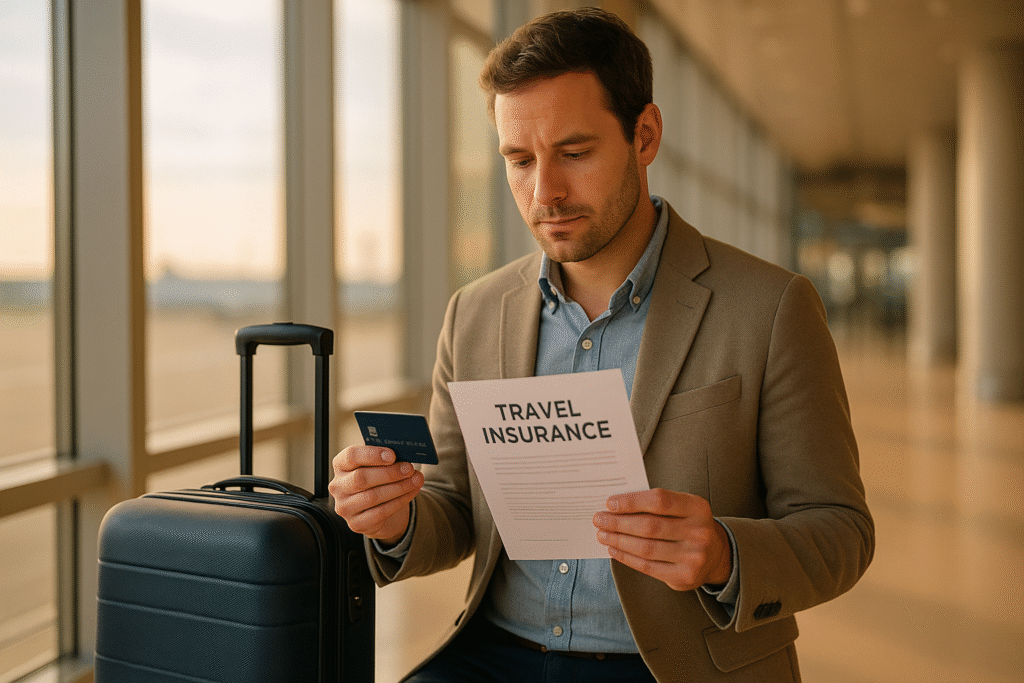
When your luggage gets lost or delayed, baggage protection can save you time, money, and stress. You have two main options: standalone travel insurance or the baggage coverage provided by certain credit cards. Here’s how they compare:
- Standalone Travel Insurance: Offers higher reimbursement limits, protects against theft, and covers delayed baggage after 6–24 hours. It’s ideal for international trips or when carrying expensive items. Costs range from $37–$447 per trip depending on coverage.
- Credit Card Baggage Coverage: Automatically included with many travel credit cards if you pay for your trip using the card. It’s better for short domestic trips but has lower limits and acts as secondary coverage (after airlines or other insurance).
Quick Comparison
| Feature | Standalone Travel Insurance | Credit Card Baggage Coverage |
|---|---|---|
| Cost | $37–$447 per trip | Included with annual card fee |
| Coverage Limit | $750–$2,500 per person | Lower limits, varies by card |
| Baggage Delay | After 6–24 hours | Timeframes vary by card |
| Coverage Type | Primary (pays first) | Secondary (after airline claims) |
| Filing Deadline | 30 days to report, 90 days for proof | 20–60 days depending on issuer |
| Reimbursement Speed | 1–2 weeks after approval | 30–60 days |
Key takeaway: Choose standalone insurance for longer, high-risk trips or valuable belongings. Credit card coverage works best for short, low-risk travel. For maximum protection, combining both can be a smart move.
Airline Travel Insurance vs Credit Card Travel Insurance: Which Is Better? | NerdWallet
Standalone Travel Insurance for Baggage Protection
Standalone travel insurance offers a reliable safety net for your baggage, covering mishaps like airline errors and theft.
What’s Covered and Benefits
These policies typically safeguard against lost, stolen, damaged, or delayed luggage, often with higher reimbursement limits than other options. For delayed baggage, coverage kicks in if your bags arrive 12–24 hours late, reimbursing you for essential items like clothing and toiletries. Beyond airline-related issues, many policies also protect against theft from rental cars. If you’re traveling with high-value items – like electronics, cameras, jewelry, or sports gear – some insurers provide specialized coverage, though this may require additional endorsements.
What’s Not Covered
Despite their broad coverage, these policies do have limitations. High-value items often come with lower reimbursement caps unless you purchase extra coverage. Always check your policy to understand any exclusions or restrictions.
Next, we’ll explore the baggage protection offered by credit cards.
Credit Card Baggage Coverage Details
Many travel credit cards come with built-in baggage protection, offering automatic coverage when you use the card to pay for your trip.
Credit Card Coverage Features
This type of coverage generally protects against lost, stolen, or damaged luggage, provided you charged your travel expenses to the card. Some cards even reimburse you for essential items if your baggage is delayed, though limits and timeframes for reimbursement vary. A key advantage is that there’s no need for separate enrollment – coverage is activated automatically with a qualifying purchase. Additionally, many cards offer 24/7 support to assist with baggage issues or to connect you with airline representatives while traveling.
Coverage Gaps and Restrictions
While convenient, credit card baggage protection does have its limits. Coverage only applies if travel expenses are charged to the card, and reimbursement caps are often lower than those offered by standalone travel insurance. Certain high-value or fragile items may also be excluded, and compensation might be limited to specific types of losses. Another important detail: credit card coverage is typically secondary, meaning it only applies after other sources of compensation, like airline reimbursements or personal insurance, have been exhausted.
How to File Credit Card Claims
If you encounter baggage issues during your trip, reach out to your credit card issuer’s claims service promptly. You’ll likely need to provide documentation, such as receipts proving you paid for travel with the card, airline reports detailing the baggage issue, and records of any emergency purchases made as a result. Review your cardholder agreement for exact instructions and deadlines for filing a claim. Keeping organized records of all documents and communications can make the process much smoother. Up next, we’ll see how these benefits stack up against standalone travel insurance.
Side-by-Side Comparison
Now that we’ve broken down both options, let’s see how they compare in practical terms.
Coverage Comparison Chart
| Feature | Standalone Travel Insurance | Credit Card Baggage Coverage |
|---|---|---|
| Cost Structure | Per-trip premium: $37-$447 based on trip value | Annual card fee (coverage included) |
| Coverage Limits | $750-$2,500 per person for baggage loss | Varies by card, often lower limits |
| Baggage Delay Coverage | After 6-24 hours depending on plan | Varies by card terms |
| Filing Deadline | Report within 30 days, proof within 90 days | 20-60 days depending on card issuer |
| Coverage Type | Primary (pays first) | Secondary (after airline compensation) |
| Reimbursement Timeline | 1-2 weeks after approval | 30-60 days after documentation |
| Required Documentation | Claimant’s statement, receipts, police reports | Carrier confirmation, card statement, receipts |
| Activation Method | Purchase separate policy | Automatic when trip charged to card |
This chart lays out the key differences. Now, let’s dive into the details to better understand how they impact your travel protection.
For a $5,000 two-week trip to Australia, standalone travel insurance costs between $198 and $447, which equals 4.0% to 8.9% of the trip’s total cost. On the other hand, credit card coverage is included at no extra cost per trip – but keep in mind, you’re paying an annual fee for the card, which can range from budget-friendly to high-end depending on the perks.
Take the Berkshire Hathaway Travel Protection ExactCare Value plan as an example. It costs $15 and provides $200 per person for baggage delays after 24 hours, plus $750 per person for baggage loss.
Main Differences
The biggest distinction comes down to how these coverages operate when you need them. Standalone travel insurance is primary coverage, meaning it pays out directly without requiring you to deal with the airline first. Credit card coverage, however, is secondary, which means you must exhaust other options – like filing a claim with the airline – before your card’s coverage applies.
Filing deadlines also differ. With standalone travel insurance, you generally have 30 days to report an issue and 90 days to provide proof. Credit card policies, on the other hand, often have stricter timelines, ranging from 20 to 60 days depending on the card issuer.
The claims process is another area where these options diverge. Standalone insurance tends to be more straightforward, allowing you to submit claims directly through online portals. Credit card claims, however, often require dealing with third-party administrators and securing written confirmation from the airline before your claim can even be reviewed.
As for reimbursement speed, standalone insurance typically processes claims within 1-2 weeks once approved. Credit card coverage, by contrast, can take anywhere from 30 to 60 days.
Understanding these differences can help travelers using Flight Booking 247 make informed choices about which protection best suits their travel habits and comfort levels with risk.
How to Pick the Right Coverage
Deciding between standalone travel insurance and credit card baggage coverage comes down to your travel habits, destinations, and how much risk you’re comfortable with. Different trips call for different types of coverage. Here’s a breakdown to help you decide which option suits your needs.
When to Buy Travel Insurance
Standalone travel insurance is a smart choice for international trips, especially if you’re carrying expensive items or visiting places where baggage loss is more likely. For example, if you’re heading on a three-week European vacation with pricey camera gear, a comprehensive insurance plan can offer peace of mind.
Longer trips also make standalone coverage worth considering. The longer you’re on the road, the higher the chances of baggage issues. For trips lasting more than two weeks, standalone policies provide primary coverage, sparing you the hassle of dealing with foreign airline claims.
If you’re traveling to destinations with limited airline infrastructure or during busy travel periods, standalone insurance becomes even more valuable. Remote areas or regions with developing transportation systems can make replacing lost items challenging and costly, so having comprehensive coverage can save you a lot of trouble.
One of the biggest perks of standalone insurance is primary coverage, which means you get reimbursed directly without waiting for airlines to process claims.
When Credit Card Coverage Works
Credit card baggage coverage is ideal for short domestic trips where you’re packing light and bringing easily replaceable items. For instance, a weekend business trip with just clothing and toiletries doesn’t usually warrant additional insurance if your credit card already has you covered.
If you’re a frequent traveler with a premium credit card, you might already be getting great value from the card’s included baggage protection. Once you’re taking six or more trips a year, the cost of buying individual travel insurance plans often outweighs the card’s annual fee.
Credit card coverage also works well when you’re traveling with few valuable items. If your luggage mainly contains clothing and other belongings worth less than $500, the secondary coverage limits on most credit cards should be enough.
In short, for short trips or minimal valuables, your credit card coverage is often sufficient.
Other Factors to Consider
Your travel frequency and destination risks play a big role in deciding which coverage to choose. If you rarely travel or are heading to high-risk destinations, standalone insurance might be the better option.
The value and replaceability of your belongings also matter. If you’re carrying specialized equipment, prescription medications, or items that are hard to replace, standalone insurance offers higher coverage limits and primary protection. On the other hand, if your luggage contains mostly replaceable items, credit card coverage should do the trick.
Lastly, think about your claims preference. Standalone insurance usually offers a simpler claims process with direct reimbursement, which can save you time and frustration. If you’re okay with longer processing times and secondary coverage requirements, your credit card protection might be enough.
When booking through Flight Booking 247, check with your travel concierge to ensure your coverage matches your trip’s specific needs.
Conclusion
Deciding between standalone travel insurance and credit card baggage coverage comes down to your travel habits, destination, and what you’re bringing along. Each option caters to different needs: standalone travel insurance provides broader, primary protection for high-risk or international trips, while credit card coverage offers a more budget-friendly, secondary option for shorter or less complex journeys.
Credit card baggage protection typically comes with lower reimbursement limits and requires you to first seek compensation from the airline. On the other hand, standalone policies often act as primary coverage, offering higher limits and covering situations – like theft from a hotel room – that credit card plans might not include.
For many travelers, a combination of both types of coverage can be a smart move. You might use your credit card for smaller inconveniences, like delayed baggage, and rely on standalone insurance for bigger risks on longer or more expensive trips. This approach can give you more comprehensive protection without overspending.
Ultimately, the best choice depends on how often you travel and the risks involved. Frequent travelers may find that a premium credit card with solid baggage benefits delivers better value, while occasional travelers heading on high-cost or high-risk trips might prefer the more extensive protection of standalone insurance. The earlier comparisons in this guide can help you pinpoint the coverage that fits your needs.
When planning your next trip, think about the value of your belongings, the risks at your destination, and how much hassle you’re willing to deal with if something goes wrong. If you’re unsure, Flight Booking 247’s travel concierges are available around the clock to guide you through your options. Whether it’s a quick business trip or a long international adventure, having the right baggage coverage can save you a lot of stress and expense.
FAQs
How do I choose between standalone travel insurance and credit card baggage coverage?
When weighing standalone travel insurance against credit card baggage coverage, it’s essential to look at how much protection each option offers. Standalone travel insurance typically provides more extensive coverage for lost or delayed luggage. This can include higher reimbursement limits and additional perks like emergency assistance. On the other hand, credit card coverage often comes with lower compensation caps and stricter rules.
Another factor to consider is the type of trip you’re taking. If you’re planning a longer or more expensive journey, standalone travel insurance is generally the better option since it covers a broader range of potential issues. For shorter or less expensive trips, your credit card’s baggage protection might be enough. Be sure to review the specific terms and conditions for both options to ensure they align with your travel plans.
What’s the difference in the claims process between travel insurance and credit card baggage coverage, and what documents do you need?
When it comes to filing a claim with travel insurance, be ready to provide more extensive paperwork. This could include receipts, proof of loss, and sometimes even a police report. You’ll also need to complete a claims form, which can usually be submitted online or through the mail. Since these claims are reviewed in detail, the process might take a bit longer to wrap up.
Meanwhile, filing a claim for credit card baggage coverage is often quicker and more straightforward. Cardholders typically report the issue directly to their card issuer and provide basic documentation, like baggage claim tags or a delay report. While credit card coverage is faster to process, travel insurance generally offers more comprehensive protection for your belongings.
When is it a good idea to combine travel insurance with credit card baggage protection for better coverage?
Combining travel insurance with credit card baggage protection can be a smart move if you’re looking for extra reassurance – especially when you’re traveling with valuable or delicate items like electronics or jewelry. Travel insurance tends to offer broader coverage, while credit card benefits can provide quick assistance for issues like delayed or lost luggage. Together, they can fill in any gaps and give you more complete protection.
For instance, if you’re heading to a destination where luggage mishandling is more frequent or you’re carrying pricey personal items, this dual coverage ensures you’re financially safeguarded and have access to help when you need it. It’s a solid way to keep your belongings protected during your journey.