Need to contact an airline during a natural disaster? Here’s what you need to know:
- Use multiple channels: Airlines may be overwhelmed, so try phone, mobile apps, social media, and websites simultaneously.
- Prepare your documents: Have your booking reference, ID, and travel details ready to save time.
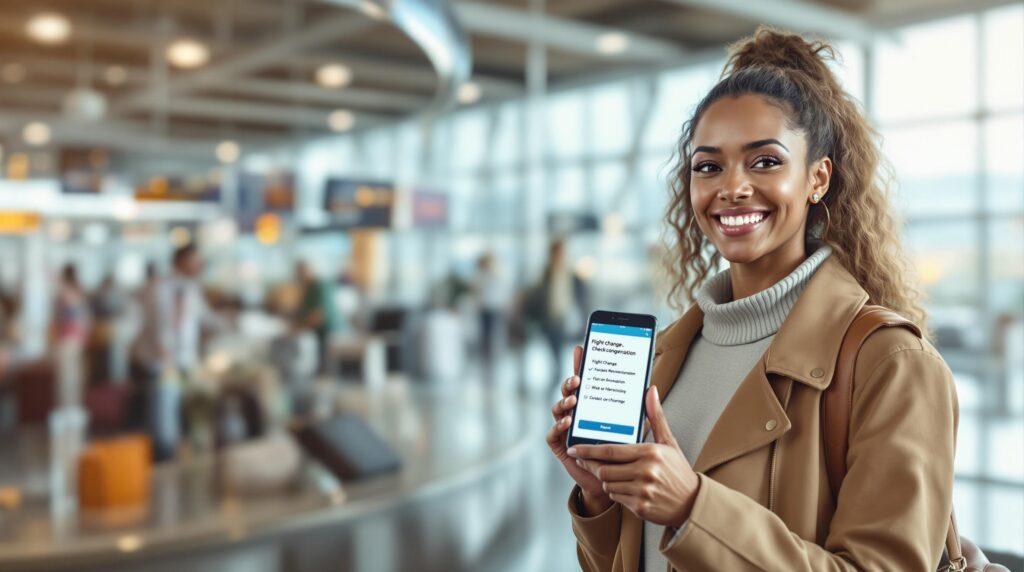
- Apps and texts work best: Mobile apps provide updates and self-service options, while text messages are reliable when networks are busy.
- Social media helps too: Twitter and Facebook are great for real-time updates and quick responses.
- Third-party services: Consider services like Flight Booking 247 for faster rebooking and assistance.
Quick Tip: Start with apps or texts for updates and escalate to phone or social media for complex issues. Always act quickly during emergencies to secure assistance.
Read on for detailed strategies to navigate airline communication challenges during disasters.
Communication Problems During Natural Disasters
How Natural Disasters Affect Airline Operations
Natural disasters wreak havoc on airline operations in multiple ways. Events like hurricanes, earthquakes, volcanic eruptions, and severe flooding can lead to significant flight delays and even complete shutdowns.
One of the most immediate impacts is airport closures. A striking example is the 2011 Tohoku-Pacific Ocean Earthquake and tsunami, which flooded Sendai Airport, severely damaging its systems. This resulted in a month-long shutdown and a recovery period of 100 days.
Infrastructure damage is another major issue, often accompanied by massive financial losses. Take Typhoon Jebi in 2018, which forced Kansai International Airport to close for three days. Full operations were delayed for 17 days, and the economic toll exceeded half a billion dollars, accounting for 0.3% of the regional GDP. Similarly, Hurricane Katrina in 2005 caused $55 million in damages to Louis Armstrong New Orleans International Airport and daily revenue losses of $170,000.
Airspace closures further complicate the situation. The 2010 Eyjafjallajökull volcanic eruption in Iceland shut down European airspace for several days, leading to thousands of flight cancellations. Airports collectively lost an estimated £95.6 million in just one week.
These disruptions force airlines to constantly monitor weather conditions and adapt their operations in real time. Communication systems are placed under immense strain, as staff must shift their focus from routine customer service to managing crisis operations, rebookings, and other urgent tasks. The operational chaos that follows directly contributes to the communication challenges airlines face during such disasters.
Common Communication Problems
The turmoil caused by natural disasters often leads to breakdowns in communication, leaving passengers frustrated and in the dark about their travel plans.
One of the biggest challenges is high call volumes and system overloads. When disasters strike, thousands of passengers flood airlines with calls for rebooking, cancellations, or flight updates. Websites and mobile apps often buckle under the pressure, leading to delays and error messages. To streamline communication, it can help for groups to designate a single person to handle airline updates.
Limited staff availability is another hurdle. During emergencies, airline employees may face personal challenges or transportation issues themselves. Those who can work are often forced to prioritize operational safety over customer service, leaving passengers without the support they need.
Technology failures also play a big role. Power outages or damaged communication infrastructure can knock out phone lines and internet services entirely. Even when systems are operational, sudden surges in usage can cause them to crash.
The situation is made worse by crowded, high-stress airport environments. In these chaotic settings, passengers often struggle to get accurate and timely information.
A recent example of these challenges occurred during the April 2024 flooding at Dubai International Airport. Around 1,000 flights were canceled, leaving passengers stranded with little information. Emirates faced backlash for its lack of clear communication during the crisis. This highlights how even well-established airlines can falter when it comes to keeping passengers informed during emergencies.
Adding to the complexity are the financial pressures airlines face during such events. As Willie Walsh, IATA‘s Director General, explained:
“Supply chain issues are frustrating every airline with a triple whammy on revenues, costs and environmental performance. Load factors are at record highs and there is no doubt that if we had more aircraft, they could be profitably deployed, so our revenues are being compromised.”
This financial strain forces airlines to juggle immediate crisis management with long-term business stability, often pushing customer communication down the priority list when it’s needed most.
What Happens in an Emergency Landing and What To Do Next
Main Ways to Contact Airlines in Emergencies
When disasters strike, knowing how to reach your airline quickly can make all the difference. Airlines offer various communication options, but some are more effective than others during emergencies.
Using Airline Phone Numbers
Calling customer service remains one of the fastest ways to connect with an airline during a crisis. Many airlines activate special emergency helplines to handle such situations.
For instance, after the Air India plane crash in Ahmedabad on June 12, 2025, Air India set up a dedicated helpline at 1800 5691 444 to assist passengers and their families. Additionally, the Ministry of Civil Aviation provided emergency contact numbers (011-24610843 and 9650391859) through its Operational Control Room.
To find the right number, check the airline’s official website or social media channels, as they usually post updated helpline details during emergencies. If you’re abroad and need assistance, U.S. citizens can also contact the nearest U.S. embassy or consulate. From the U.S. and Canada, dial 1-888-407-4747, and from overseas, call +1 202-501-4444.
Keep in mind that call volumes may spike during emergencies, leading to longer wait times. To save time, have your booking reference, frequent flyer number, and travel documents ready when you reach an agent.
Next, let’s look at how airline mobile apps can streamline emergency communication.
Using Airline Mobile Apps
Mobile apps are becoming a go-to tool for managing emergencies, often outperforming phone lines during high-traffic periods. Unlike call centers that get overwhelmed, apps can handle more users simultaneously while offering real-time updates without requiring direct human interaction.
Take Vanderbilt LifeFlight’s app, launched in 2017, as an example. It allows emergency responders to request a helicopter with a single tap, sending precise location details to dispatchers and providing real-time updates on aircraft status and arrival times.
“We have worked for more than a year to develop this app, and its rich interoperability with our dispatching and flight tracking software. It’s seamless and a time saver.”
- Stephan Russ, M.D., Vanderbilt University
Airline apps offer features like push notifications, offline access, and tools for rebooking or securing hotel accommodations during emergencies. Apps with offline functionality are especially critical when connectivity is limited. With 83% of smartphones supporting advanced geotargeting in 2023, airlines can now send location-specific alerts and assistance. Some apps even include automatic translation features and panic alerts for added security.
To make the most of these tools, download your airline’s app before your trip, log in to your account, and enable push notifications. Keeping the app updated ensures you can access the latest emergency features when needed.
Using Websites and Social Media
Websites and social media platforms are invaluable for real-time updates and communication during emergencies. Social media, in particular, has become a popular channel, with 16% of customers using it to contact airlines. Platforms like Twitter and Facebook allow airlines to share immediate updates on flight statuses, delays, and rebooking options. Additionally, the public nature of social media holds airlines accountable for timely responses.
Airlines follow strict protocols for social media during crises. Best practices recommend posting an initial message within 20 minutes of an event, with follow-up updates every hour. Airlines also monitor social media for posts and videos from affected areas to gather real-time insights.
When reaching out to an airline on social media, use their verified accounts (look for the blue checkmark). Be clear about your situation, include your booking reference, and maintain a professional tone. Many airlines have dedicated teams managing social media inquiries and can assist with urgent requests like rebooking or refunds via private messages.
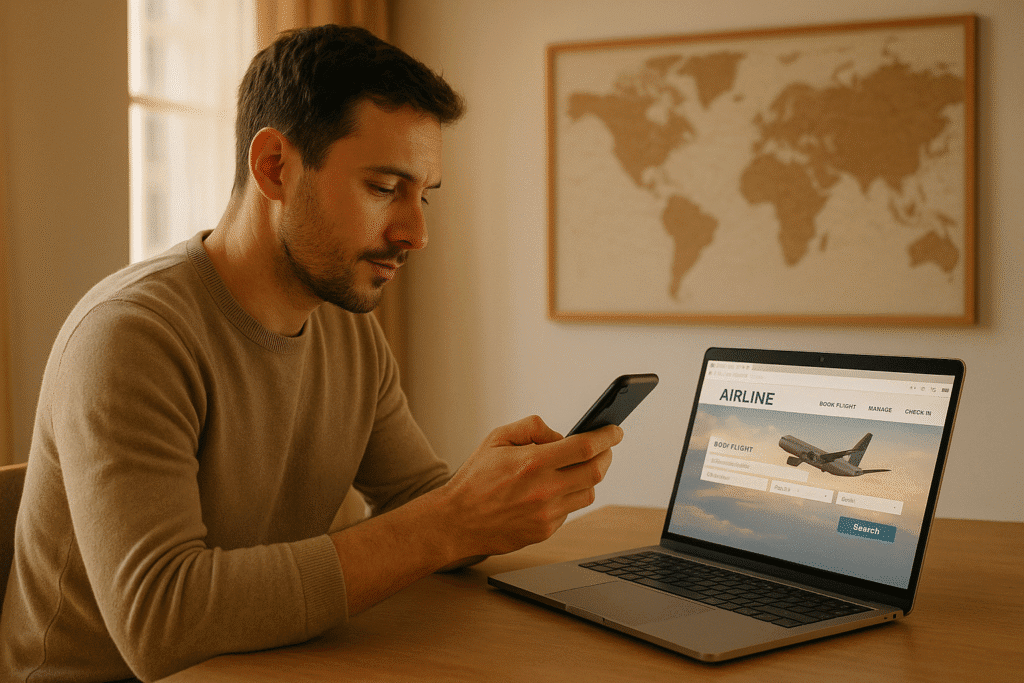
Websites also play a key role, offering live chat options and self-service tools that remain functional even when phone lines are overwhelmed. These digital channels, combined with apps and phone support, ensure you have multiple ways to get help during emergencies.
Using a mix of these channels can improve your chances of receiving timely assistance.
Tips for Better Communication with Airlines
In emergencies, clear and well-organized communication can make a big difference by reducing wait times and speeding up resolutions.
Getting Your Documents Ready
Make sure all essential documents are organized and available in both physical and digital formats. These should include:
- Government-issued ID: Originals and copies.
- Financial documents: Photos of credit or debit cards.
- Contact details: Information for banks, brokerage firms, and insurance providers.
- Medical records: Insurance cards and health-related documents.
- Insurance policies: Updated coverage for home, auto, and life insurance.
Experts suggest creating two copies of your travel documents and leaving one with a trusted friend or relative. To ensure accessibility, store digital versions in cloud storage or email them to yourself. This way, you’ll have everything ready at a moment’s notice.
Once your documents are in order, you can focus on strategies to get quicker responses from airlines.
Getting Faster Responses
To speed up communication with airlines, try using multiple channels and timing your outreach strategically:
- Reach out through various channels at the same time – phone, mobile apps, websites, and even social media.
- Call during off-peak hours, such as early morning or late at night, when lines are less busy.
- Enable app notifications to stay informed about flight updates and other important changes.
Many airlines now use AI-powered chatbots that provide instant answers to routine questions 24/7. If the wait on a call is too long, look for callback options. Text messaging can also be a great alternative, especially when phone lines are overwhelmed.
Communicating Clearly
When you connect with an airline agent, clear and concise communication is key. Speak calmly and clearly. Use straightforward language to explain your situation. Before contacting the airline, prepare a quick summary of your issue, including:
- Your current location.
- Immediate travel needs.
- Departure and arrival cities.
- Travel dates.
- The nature of your emergency.
- Your preferred resolution.
Keep your calls short and focused to avoid adding to network congestion. Be respectful and empathetic – airline representatives are often managing a high volume of requests during emergencies. A calm and understanding approach can go a long way in resolving your issue efficiently.
Using Third-Party Services for Extra Help
When airline phone lines are tied up, third-party travel services can step in to provide much-needed support. Acting as intermediaries, these services help travelers navigate disruptions by offering dedicated assistance, especially when traditional communication channels are overloaded.
Unlike travel insurance, which reimburses losses after the fact, travel assistance services focus on immediate solutions. They can rebook flights, secure accommodations, and even assist with compensation claims – all while the situation is still unfolding. This kind of real-time help becomes essential during emergencies like sudden weather changes or evacuations, where quick action is critical and airline communication delays can add to the stress.
These third-party platforms also come equipped with flexible search tools. You can filter options based on date ranges, budget, or airline preferences. Some services even combine flights from multiple airlines to save you the hassle of booking separately.
One standout example is Flight Booking 247, a service designed to provide 24/7 travel assistance.
Flight Booking 247: 24/7 Travel Help
Flight Booking 247 takes the concept of travel assistance one step further by offering round-the-clock, personalized support. With live travel concierges available at any hour, the service handles everything from booking flights to managing cancellations and changes. This is especially helpful during natural disasters when airline hold times can stretch for hours. Instead of waiting, you get direct access to experts who can address your needs immediately.
What sets this service apart is its hands-on, human approach. Rather than navigating complicated websites or automated systems, you’ll work with a concierge who explains your options, compares routes and airlines, and handles bookings for you. During emergencies, these agents often rebook passengers on the next available flight before the airline even announces it, saving precious time when every moment counts.
The service doesn’t stop there. Agents are well-versed in the compensation process and can assist with securing refunds or credits quickly. This can be a lifesaver when unexpected expenses arise due to travel disruptions.
To make the most of Flight Booking 247 during a crisis, have your travel documents and confirmation numbers ready. It’s also helpful to share any alternative destinations you’d consider, your budget, and any special needs, like medical requirements. Providing this information upfront allows the concierge to act faster and find the best possible solutions.
Flight Booking 247 also maintains strong connections with major airlines. This network access can be invaluable when coordinating complex itineraries or securing seats during high-demand periods caused by weather-related disruptions. With more options and potentially better deals than you might find on your own, this personalized service underscores the importance of clear and reliable communication during emergencies.
Communication Methods: Pros and Cons
Different communication methods come with their own strengths and limitations, and choosing the right one becomes especially critical when airline systems are under pressure.
Phone calls provide a direct line to customer service but can quickly become overwhelmed during emergencies. In such situations, wait times often skyrocket due to overloaded lines. To address this, airlines like Delta Air Lines and Singapore Airlines have introduced AI-powered systems to handle routine tasks. For example, Delta’s AI chatbots manage tasks like flight updates, booking changes, and baggage claims, which helps reduce delays during peak periods.
Mobile apps have become a go-to option for many travelers when it comes to receiving flight updates. These apps offer automated self-service features and direct communication options for handling flight changes or cancellations. However, they do rely on internet connectivity to function effectively.
Social media platforms have emerged as a reliable alternative during crises, as they allow for real-time updates and interactions. Many customers turn to social media for immediate assistance. It also serves as a public-facing channel for customer service, which can sometimes help expedite responses. As Ben Nimmo, Founder and CTO at Orlo, puts it:
“Social media has proven to be highly effective in the event of a crisis or disruption”.
Text messages are another strong option, particularly when networks are strained. They use minimal bandwidth and are more likely to get through during high-traffic periods. However, their functionality is generally limited to basic updates and confirmations.
Websites can provide detailed information, including policies and general updates. However, they often struggle during emergencies, with high traffic causing slow loading times or even crashes.
Here’s a quick comparison of these methods:
Comparison Table: Benefits and Drawbacks
| Method | Speed | Reliability During Disasters | Best For | Major Drawbacks |
|---|---|---|---|---|
| Phone | Slow (long wait times) | Poor (lines overloaded) | Complex issues, detailed discussions | Extended hold times, system overload |
| Mobile Apps | Fast | Good (if internet works) | Self-service, flight updates | Requires internet, limited for complex issues |
| Social Media | Moderate | Good | Public pressure, real-time updates | Public nature, character limits |
| Text/SMS | Fast | Excellent | Basic updates, confirmations | Limited information exchange |
| Website | Variable | Poor (during high traffic) | Policy checks, general info | Slow loading, crashes during peak times |
Each method has its place in a crisis. Text messages often succeed in getting through when other channels fail, while mobile apps provide a seamless user experience when connectivity is stable. Social media offers a middle ground, enabling real-time interaction while also adding the benefit of public visibility, which can sometimes speed up responses.
Airlines are actively working to improve their communication systems. For instance, KLM’s AI assistant, BlueBot, now handles up to 50% of customer interactions, managing tasks like booking, check-ins, and travel inquiries with speed and accuracy. Similarly, Lufthansa employs machine learning to deliver predictive customer service, proactively notifying passengers about disruptions before they become an issue.
The best strategy is to combine these methods for efficient assistance. Start with the most reliable option – text or app notifications for quick updates – and escalate to phone calls or social media for more complex problems that require human attention. This multi-channel approach ensures better support during emergencies.
Conclusion: Main Points for Contacting Airlines During Natural Disasters
Reaching airlines during natural disasters requires preparation, flexibility, and a multi-channel approach. When severe weather or other disruptions strike, airline systems can quickly become overwhelmed, so having a solid strategy is key to successfully navigating these challenges.
Being prepared ahead of time is essential. Keep your travel documents, confirmation numbers, and airline contact information easily accessible. This can save valuable time when every second counts. As Terry Boynton, co-founder and president of Yonder Travel Insurance, advises:
“It’s not enough to simply assume your policy covers natural disasters in the way you think it does. Before selecting a policy, take the time to read the policy certificate to better understand how it provides protection in the event of a natural disaster and what is expected of you during the claims process.”
Understanding your travel insurance coverage can help you avoid unexpected costs, like rebooking fees, during emergencies.
In addition to preparation, diversifying how you communicate with airlines can make a big difference. Using multiple channels at once – such as text messages, mobile apps, and social media – can help you connect when phone lines or websites are overwhelmed. Airlines also use advanced systems like Crises Control, which allows flight crews to send alerts to ground teams during emergencies, ensuring swift action upon landing.
For extra support, consider third-party services like Flight Booking 247. These services operate around the clock, offering personalized assistance for rebooking and rerouting when airline systems are stretched thin. According to a Global Business Travel Association study, 71% of organizations faced travel risk incidents in 2021, underscoring the importance of having reliable backup options.
FAQs
What should I do if I can’t get in touch with an airline during a natural disaster?
If you’re struggling to reach an airline during a natural disaster, make sure to explore all communication options. This includes calling their customer service, using their mobile app, or reaching out via their social media channels. During emergencies, airlines often use these platforms to share updates and assist passengers.
In cases where your flight is canceled due to severe weather, remember this: airlines are legally required to provide refunds – even for tickets marked as non-refundable.
If you miss your flight because of flooding or other disaster-related issues, contact the airline as quickly as possible. Depending on the circumstances, they might allow you to reschedule or offer a refund. If things remain unresolved, you can escalate the matter by filing a complaint with the U.S. Department of Transportation. Acting swiftly and staying informed can make a tough situation a little easier to handle.
How can I keep my travel documents safe and accessible during an emergency?
Tips for Keeping Your Travel Documents Safe and Accessible
Traveling comes with its fair share of challenges, but losing or damaging important documents shouldn’t be one of them. Here’s how you can keep your travel essentials secure and within reach during emergencies:
- Create Copies: Have both physical and digital copies of crucial documents like your passport, ID, and travel tickets.
- Secure Storage: Store physical copies in waterproof and shockproof containers. Keep an extra hard copy in your carry-on bag for easy access.
- Digital Backups: Scan your documents and upload them to a secure cloud storage service. This way, you can retrieve them from any device, no matter where you are.
Taking these precautions ensures your documents are safe and accessible, giving you one less thing to worry about while on the move.
Can third-party services help with rebooking flights during natural disasters, and how do they work?
Yes, third-party services can be a big help when it comes to rebooking flights during natural disasters. Acting as middlemen between travelers and airlines, they make it easier to manage cancellations, changes, or rebookings when things get chaotic.
Many of these services offer round-the-clock support and might even provide perks like travel credits or fee waivers, depending on the circumstances. By taking care of the back-and-forth with the airline, they save you time and help cut down on the stress during those critical moments.