
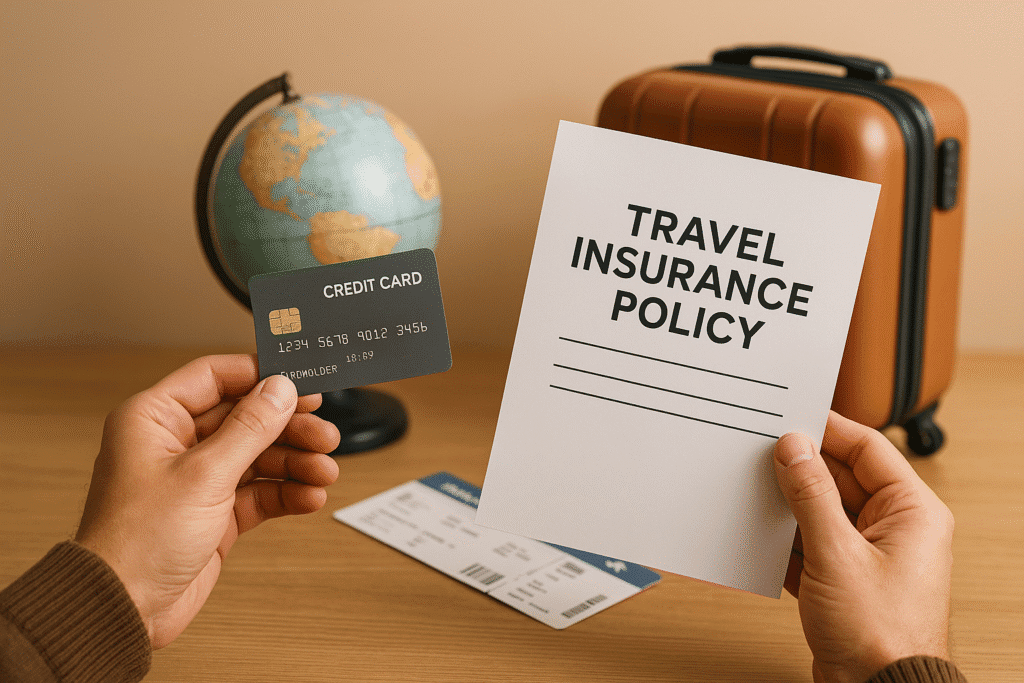
When planning a trip, choosing the right travel insurance is key to avoiding unexpected expenses. You generally have two options: credit card travel insurance or standalone policies. Here’s a quick breakdown:
- Credit Card Insurance: Included as a perk with many premium credit cards when you book travel using the card. It’s convenient and free but often comes with limited coverage for medical emergencies, trip cancellations, or adventure activities.
- Standalone Policies: Purchased separately and customizable to your needs. These offer broader coverage, higher limits, and flexibility for activities like skiing or scuba diving, but they come with an upfront cost.
Quick Comparison
| Feature | Credit Card Insurance | Standalone Policies |
|---|---|---|
| Cost | Included with card fees | Paid separately |
| Medical Coverage | Basic, low limits | Higher limits, robust |
| Trip Cancellation | Limited reasons covered | Broader coverage options |
| Adventure Activities | Often excluded | Optional add-ons |
| Claims Process | Through card issuer | Direct with insurer |
For short, low-risk trips, credit card insurance might suffice. For international, adventure-heavy, or expensive trips, standalone policies offer better protection. Always review your card benefits and trip risks before deciding.
Airline Travel Insurance vs Credit Card Travel Insurance: Which Is Better? | NerdWallet
Coverage: What Each Type Covers
When it comes to travel insurance, credit card policies and standalone plans differ significantly in what they cover, their flexibility, and the limits they offer. Here’s a closer look at how they stack up in key areas.
Main Coverage Areas
Trip Cancellation and Interruption
Credit card travel insurance typically covers cancellations or interruptions for specific reasons, like sudden illness, family emergencies, or severe weather. However, the maximum limits often depend on the type of card you hold. Standalone travel insurance policies usually provide broader protection, including the option to add “cancel for any reason” coverage at an extra cost. This add-on can cover situations that aren’t included in standard policy terms, giving you more flexibility.
Medical Emergency Coverage
Credit card policies usually offer basic emergency medical coverage, which might suffice for minor incidents but often falls short for more serious health issues. Medical evacuation benefits are also limited. Standalone policies, on the other hand, are built to handle more serious medical emergencies. They come with higher limits for both treatment costs and evacuation, giving you more peace of mind if something major happens while you’re traveling.
Baggage Protection
Many credit card insurance policies include coverage for lost, stolen, or damaged baggage, but they often require you to file a claim with the airline first. Standalone policies tend to offer better baggage protection, with higher limits and faster claims processes. Some even provide emergency funds to replace essential items if your luggage is delayed or lost, which can be a lifesaver during your trip.
Travel Delay Coverage
Credit card travel insurance usually kicks in after a specific number of hours of delay and covers reasonable expenses like meals or accommodations. Standalone policies often have shorter delay thresholds and higher daily limits, making it easier to recover costs quickly when unexpected delays disrupt your plans.
Common Exclusions
Both credit card and standalone travel insurance policies come with exclusions, but credit card policies are generally stricter. For example, most credit card plans exclude high-risk activities like skiing, scuba diving, or mountain climbing. While some premium cards may offer limited coverage for adventure sports, standalone policies often allow you to add this coverage as an optional feature.
Pre-existing medical conditions are another area where credit card policies fall short, as they rarely offer coverage. Standalone policies, however, may include waivers for pre-existing conditions if you meet specific requirements. Additionally, credit card policies are better suited for shorter trips, while standalone plans can be tailored to cover extended travel, giving you more flexibility depending on your itinerary.
Coverage Comparison Table
| Coverage Type | Credit Card Insurance | Standalone Policies |
|---|---|---|
| Trip Cancellation | Limited to specific reasons | Broader coverage with optional add-ons |
| Medical Emergency | Basic coverage; limited evacuation | Higher limits for treatment and evacuation |
| Baggage Loss | Standard limits; airline claim required | Higher limits; faster claims and emergency funds |
| Travel Delay | Starts after a set delay period | Shorter delay thresholds; higher daily limits |
| Adventure Sports | Excluded | Optional add-ons available |
| Pre-existing Conditions | Rarely covered | Waivers available under certain conditions |
| Trip Duration | Best for shorter trips | Customizable for longer travel |
Eligibility, Activation, and Claims Process
Knowing how to qualify for travel insurance and handle the claims process can make your experience much smoother. Whether you’re using credit card coverage or a standalone policy, understanding the requirements and steps ahead of time can save you from unnecessary delays.
Eligibility Requirements
Credit Card Travel Insurance Eligibility
Qualifying for credit card travel insurance is usually tied to specific spending thresholds. Most major credit cards automatically provide coverage if you charge a minimum amount of your travel expenses to the card. For instance:
- American Express: Coverage activates if you pay the full fare for an international return ticket or spend at least $500 on domestic accommodation or transport using your card or points.
- Wells Fargo: Benefits like trip cancellation and interruption apply if you purchase the entire cost of your common carrier fare with your eligible card.
Spending requirements typically range from $250 to $500 in prepaid travel costs, depending on your card and bank.
Standalone Policy Eligibility
Standalone travel insurance is available to anyone willing to purchase it directly from an insurer. There are no card ownership or spending requirements. To qualify, you simply provide your personal details, trip information, and pay the premium.
Once eligibility is confirmed, the activation process varies significantly between credit card and standalone policies.
How to Activate Coverage and File Claims
Credit Card Insurance Activation
For most credit cards, travel insurance activates automatically once you meet the spending threshold. However, some banks may require manual activation. This could involve calling your bank or using your online banking portal to confirm coverage after making eligible travel purchases.
To file a claim, you’ll need to contact your card issuer’s insurance department or their designated administrator. Expect to provide documentation such as receipts, medical reports, or incident records, depending on your claim.
Standalone Policy Activation and Claims
Standalone policies become active as soon as you pay the premium. Upon purchase, you’ll receive a policy document that outlines your coverage and includes claims contact details.
Filing a claim with a standalone insurer is usually straightforward. Most companies offer 24/7 hotlines and online portals, making it easy to submit documentation and track your claim without involving intermediaries.
Claims Filing Checklist
Having the right documentation ready can speed up your claims process. While credit card and standalone policies share similar requirements, the submission methods and timelines often differ.
For Credit Card Travel Insurance Claims:
- Contact your card issuer’s insurance hotline as soon as possible after the incident.
- Provide credit card statements showing eligible travel expenses and receipts for the claimed costs.
- Gather any relevant medical or police reports, if applicable.
- Complete the claim form provided by your card issuer.
- Submit all documents within the timeframe specified by your issuer.
- Follow up if you don’t receive confirmation within the expected timeframe.
For Standalone Policy Claims:
- Call your insurer’s claims hotline promptly and have your policy number ready.
- Document the incident with photos, receipts, and written records.
- Collect any required medical or police reports, if applicable.
- Accurately fill out the claim form.
- Submit your documents via the insurer’s preferred method (online portal, email, or mail).
- Keep copies of everything and stay in touch with your claims adjuster for updates.
The main difference lies in communication: credit card claims often involve a third-party administrator, while standalone insurers provide direct contact with claims specialists. Handling claims efficiently ensures you get reimbursed promptly when unexpected events disrupt your travel plans.
Cost and Value Analysis
When choosing travel insurance, it’s essential to consider more than just the upfront price. Both credit card travel insurance and standalone policies have different pricing structures and offer varying benefits depending on your travel plans.
Pricing Breakdown
Credit Card Travel Insurance Costs
Many credit cards include travel insurance as a built-in perk, but these cards often come with an annual fee. If you travel frequently, this fee can be spread across multiple trips, reducing the effective cost per journey.
Standalone Policy Costs
Standalone travel insurance policies are typically priced as a percentage of your trip’s total cost. Factors like your destination, trip length, age, and the type of coverage you select all influence the premium.
Out-of-Pocket Expenses
Beyond the initial cost, it’s important to think about potential out-of-pocket expenses.
Credit Card Insurance Limitations
While credit card travel insurance can be convenient, it often comes with coverage limits that might leave you paying out of pocket for significant disruptions. Serious incidents, like medical emergencies, could exceed the policy’s limits.
Standalone Policy Financial Protection
Standalone policies generally offer higher coverage limits and clearly defined deductibles. This setup provides more predictable financial protection, which can be especially helpful during emergencies or major travel disruptions.
Value for Different Travelers
Frequent Business Travelers
If you’re a regular business traveler, the travel insurance included with a premium credit card can be a great option. Since you’re traveling often, the annual fee may feel more justified, and the bundled benefits can prove to be highly convenient.
Occasional Leisure Travelers
For those planning one big trip a year – especially with family – a standalone policy might be a better choice. These policies often provide comprehensive coverage tailored to your trip, offering peace of mind for vacations.
Adventure and International Travelers
If your plans include activities like adventure sports or visits to remote destinations, standalone policies are often more flexible. They can be customized to cover risks that standard credit card insurance might exclude.
Budget-Conscious Travelers
For shorter or less expensive trips, the basic coverage that comes with some credit cards might be enough. This option can save you the cost of purchasing a standalone policy, especially if the trip has a low risk profile.
Ultimately, the right choice depends on your travel habits, comfort with risk, and the benefits offered by your credit card versus standalone policies. Taking the time to weigh these factors will help you find the insurance that best suits your needs.
When to Choose Credit Card Insurance vs. Standalone Policies
The type of travel insurance you choose should depend on your trip’s specifics – like its destination, duration, and potential risks. Picking the right option can help you avoid paying for coverage you don’t need.
Best Times to Use Credit Card Travel Insurance
Credit card travel insurance is a smart choice for shorter or domestic trips with minimal risks. For example, if you’re heading to a major city in the U.S. for business, where quality healthcare is easily accessible, your credit card’s basic coverage might be all you need. Similarly, it works well for visits to countries with reciprocal healthcare agreements with the U.S. or those known for affordable medical services. However, if your trip involves more complex scenarios, you may need to look beyond what your credit card offers.
Best Times to Use Standalone Policies
Standalone travel insurance is a better fit for trips that come with higher stakes or unique challenges. For instance, if you’re planning an international vacation with a packed itinerary or significant upfront costs, a standalone policy can provide more comprehensive protection. These policies are also ideal for longer trips, visits to remote areas with limited medical facilities, or when traveling with family or groups that have varying needs. The added flexibility and coverage can make all the difference in these situations.
Using Both Types Together
For more complicated trips, you can combine credit card insurance with a standalone policy. Your credit card might cover smaller disruptions, like flight delays, while the standalone policy can handle bigger issues, such as medical emergencies or major cancellations. Keep in mind, though, that having both doesn’t mean you’ll double your benefits. It’s crucial to review how the policies work together to ensure there are no gaps in coverage. If you’re booking through services like Flight Booking 247, check which payment methods activate your credit card’s insurance benefits to make the most of your coverage.
Conclusion: Key Points to Remember
Final Thoughts on Choosing Travel Insurance
When it comes to travel insurance, the key is understanding the differences in coverage and finding the right balance between convenience and protection. Your choice should reflect your travel needs and the level of security you’re looking for. Credit card coverage can be a convenient and cost-effective option, but it often comes with lower limits and less flexibility. On the other hand, standalone policies offer broader protection, higher limits, and more customization, though they come with an upfront cost.
Think about the nature of your trip, your budget, and how much risk you’re willing to take. For simple domestic trips or short international getaways, credit card coverage might be enough. However, for more complex itineraries or trips involving significant expenses, a standalone policy could provide the added peace of mind you need.
Remember, credit card policies often have lower limits, which may not be sufficient in emergencies. Standalone policies, while more expensive, typically offer higher limits and more robust financial protection.
Next Steps for Travelers
Now that you’re aware of the key considerations, it’s time to take action and secure the right coverage for your upcoming trip.
- Check your credit card benefits: Many travelers don’t realize that their card’s travel insurance only applies if the entire trip is paid for using that specific card. Review the terms to understand exactly what’s covered.
- Evaluate your trip’s risks and costs: Consider factors like healthcare expenses at your destination, the total value of your trip, any pre-existing conditions, and planned activities. These details can help you decide if additional coverage is necessary.
- Plan ahead: If you decide on a standalone policy, purchase it early. Many policies offer extra benefits when secured well in advance. Be sure to compare options and carefully review exclusions and claims processes to avoid surprises.
If you’re booking through Flight Booking 247, take advantage of their concierge service to confirm which payment methods will activate your credit card’s travel benefits. A little preparation now can save you from financial stress later and ensure you’re fully protected while exploring the world.
FAQs
What are the key benefits of choosing standalone travel insurance instead of credit card travel insurance?
Standalone travel insurance offers tailored coverage designed to meet the specific needs of your trip. These policies can address a variety of scenarios, including trip cancellations, non-refundable costs, and unexpected disruptions – yes, even those tied to COVID-19.
One major advantage of standalone policies is the ability to choose coverage based on your trip’s total cost, providing stronger financial protection. While credit card travel insurance might be convenient, it often comes with limited benefits and exclusions, making standalone policies a more dependable choice for broader coverage.
How can I tell if my credit card’s travel insurance is enough for my trip?
To determine whether your credit card’s travel insurance is a good fit for your needs, start by going through the terms and conditions carefully. Focus on key details like coverage limits, excluded situations, and the length of coverage. While many credit cards offer basic protections – such as coverage for trip cancellations, delays, or lost luggage – these benefits often come with lower limits than what standalone travel insurance policies provide.
If you’re planning a trip with higher risks, costly reservations, or a longer duration, it might be worth looking into a standalone travel insurance policy for more extensive protection. Compare the specifics of your trip with the coverage your card offers to make the best decision.
Can I use both credit card travel insurance and a standalone policy together, and how does it impact my coverage?
Yes, you can use both credit card travel insurance and a standalone policy together, but understanding how they work together is key. Credit card travel insurance often comes with lower limits and stricter conditions, so pairing it with a standalone policy can help cover gaps or provide broader protection. However, having overlapping coverage might complicate things, like coordinating claims between the two providers.
To get the most out of both, take the time to carefully review the terms of each policy. This will help you avoid unnecessary overlaps and ensure your travel needs are fully covered. That way, you can travel confidently, knowing you’re well-prepared for any unexpected situations.