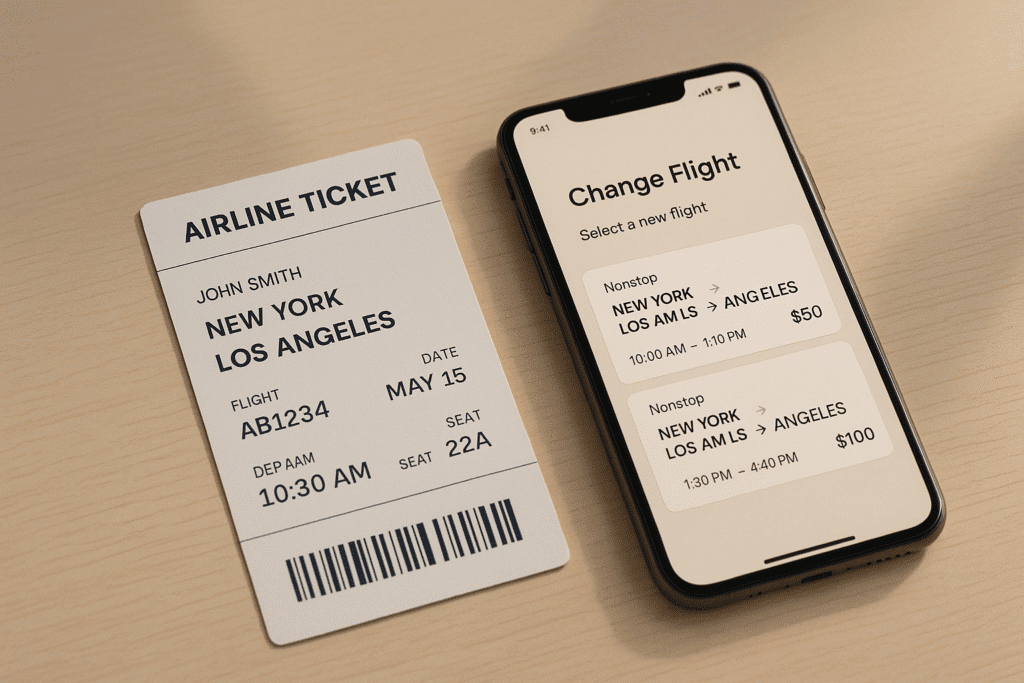
Changing your flight can cost more than you expect. While many airlines no longer charge change fees, you’ll often pay the fare difference – the gap between the price you paid and the current cost of the new flight. Here’s what you need to know:
- Fare Difference Basics: If your new flight is more expensive, you’ll pay the difference plus any taxes or fees. For example, switching from a $300 ticket to a $450 ticket means paying $150 extra.
- Key Factors:
- Timing: Last-minute changes usually cost more.
- Ticket Type: Basic economy tickets are stricter, while refundable or flexible tickets offer more options.
- Route: International or peak-season changes often lead to higher costs.
- Dynamic Pricing: Airlines adjust prices based on demand, seat availability, and market trends. This makes costs unpredictable, especially close to departure.
To save money, book flexible tickets, plan changes early, and avoid peak travel times. For complex itineraries, consider using a travel service for expert advice.
Watch out for this airline ticket tactic
How Airlines Calculate Fare Differences
Knowing how airlines calculate fare differences can help you prepare for potential extra costs when changing your flight. These calculations break down into a few key components.
Main Components of Fare Calculations
When determining the cost of a flight change, airlines factor in the base fare, government taxes, fees, and fuel surcharges. The amounts can vary significantly depending on your destination and route.
Fuel surcharges, in particular, play a notable role. These charges fluctuate based on market conditions, such as oil prices, and can differ depending on the airline and route. Even small changes in these components can lead to additional charges.
Another factor is fare class availability. If the fare class you originally booked is no longer available, you may need to switch to a higher-priced tier, which increases the cost. This shift often happens when lower-priced tickets sell out.
These elements are also influenced by external market conditions, which brings us to the concept of dynamic pricing.
The Role of Dynamic Pricing
Dynamic pricing adds another layer of complexity to fare differences. Airlines continuously adjust ticket prices based on factors like demand, seat availability, and market trends. This means the fare difference for a flight change can vary widely depending on when you make the request.
During peak travel times or on high-demand flights, fares can increase sharply. Additionally, many discounted tickets come with advance purchase requirements. If you change your flight closer to the departure date, you might lose access to those lower fares and face higher charges.
Airlines also consider the load factor – how full the flight is – when setting prices. Flights nearing capacity often come with higher fares. So, switching to a nearly full flight close to departure could lead to a larger fare difference. Seasonal travel peaks and special events can further drive up prices during certain times of the year.
Being aware of these factors can help you better anticipate and manage the costs involved when adjusting your travel plans.
What Affects Fare Difference Costs
Several factors play a role in determining how much extra you’ll pay when changing your flight. Knowing these details can help you plan ahead and potentially save money.
Ticket Type and Airline Policies
The type of ticket you purchase is a major factor in fare difference costs. Basic economy tickets are often the least flexible, with strict rules and higher fees for changes. On the other hand, premium economy and business class tickets typically allow for more flexibility, though they come with a higher upfront price.
Airlines also have different rules for fare adjustments. Some calculate the difference based on the current published rate, while others compare it to your original fare class. If your original fare class isn’t available, you might be moved to a higher-priced tier, which increases costs.
Refundable tickets generally allow changes with little to no additional cost, as long as the new flight has a similar value. However, non-refundable tickets often come with higher fees, especially if you’re switching to a more expensive flight or date.
Advance purchase requirements can also impact costs. If you initially booked a discounted fare far in advance and later switch to a flight departing soon, you’ll likely lose that discounted rate and pay more.
Timing is another key consideration.
Timing of Changes
When you decide to make changes can heavily influence the fare difference. Last-minute changes – within 48 hours of departure – tend to be the most expensive. In contrast, changes made more than two weeks in advance usually come with lower costs, unless you’re traveling during a peak season or holiday period.
Same-day changes often have their own pricing rules. Some airlines charge a flat fee for these changes on domestic flights, provided there’s availability in your original fare class.
Weekend changes can also be pricier, as demand is typically higher and discounted seats are harder to find compared to weekday adjustments.
Route or Destination Changes
Changes to your route or destination can add another layer of complexity to the fare difference. Domestic flight changes are usually simpler, but international changes often involve extra taxes, fees, and regulatory charges. For instance, switching from a domestic to an international route may include departure taxes or security fees, which can significantly raise the cost.
Even switching between airports can affect pricing. Moving from a major hub to a smaller regional airport often results in higher costs due to less competition and fewer discounted options.
The distance of your new route also matters. Upgrading from a short domestic trip to a cross-country flight can reflect different pricing dynamics. Popular routes with high competition typically offer more fare options, while less competitive routes may have fewer discounts and higher prices.
Lastly, the timing of your destination matters. Changing to a flight headed to a vacation hotspot during peak season will almost always result in higher fare differences compared to switching during off-peak times.
Common Problems When Changing Flights
Changing flights can come with unexpected challenges that quickly drive up costs, making the process more stressful than anticipated.
Higher Than Expected Costs
One of the biggest surprises when altering flights is the fare difference. While many airlines now advertise “no change fees”, this only means they’ve removed the fixed administrative charge – usually between $75 and $150. However, you’re still on the hook for paying any difference in ticket prices. These fare differences can be steep, sometimes making the cost of the new ticket as high as booking a brand-new flight.
Last-minute changes are especially tricky, as airlines often increase ticket prices based on demand. For international flights, the situation can be even more complicated, as some airlines continue to apply change fees for their lowest fare classes. Understanding how these fare adjustments work is key to avoiding sticker shock.
Confusing Fee Structures
Airline fee structures can feel like a labyrinth, leaving travelers unsure about the total costs involved. These charges vary widely depending on the airline and route. For instance, United Airlines allows changes to destinations within a 200-mile radius without charging an extra change fee, but the fare difference still applies. Rules like these can be confusing, making it difficult to calculate the overall cost of a change.
When faced with such complexities, having access to expert advice can make a big difference. Services like Flight Booking 247 offer round-the-clock support to help travelers navigate these challenges, understand the real costs, and secure the best possible deals on flight changes.
How to Reduce Fare Difference Costs
Managing fare difference costs comes down to smart planning and making informed choices. While booking ahead is always a good idea, there are ways to cut down on unexpected flight change expenses – even if you’re making adjustments at the eleventh hour.
Opt for Flexible Tickets
Spending a little more upfront on flexible ticket options can save you from hefty fees later. Look for tickets labeled as “flexible,” “refundable,” or “premium economy.” These fare types typically come with more forgiving change policies, which can help you avoid additional costs if your travel plans shift. If there’s even a slight chance you might need to modify your itinerary, investing in a flexible ticket can often pay off by saving you from steep fees down the line.
Make Changes Early
Timing is everything. Adjusting your flight plans weeks in advance often results in smaller fare differences. Additionally, making changes midweek – when prices tend to be lower – can also help you save.
Consider a Travel Concierge Service
Services like Flight Booking 247 provide round-the-clock support to help you navigate flight changes. Their experts use real-time pricing tools to find cost-effective solutions and minimize fare differences, especially for complex or international trips. With their help, you can avoid the stress of dealing with fluctuating airline pricing on your own.
Key Points About Fare Differences
When changing a flight, airlines typically charge the difference between your original ticket price and the current rate for the new flight. Several factors influence this fare difference, and understanding them can help you save money.
The type of ticket you purchase plays a big role. Basic economy tickets often come with strict fees and limited flexibility, while flexible fare options can significantly reduce extra costs. Timing is another critical factor – making changes weeks in advance is usually far less expensive than waiting until the last minute.
Dynamic pricing is another challenge. For example, a ticket that originally cost $300 could jump to $500 by the time you make a change. In such cases, you’ll need to pay the price difference, along with any applicable fees.
To avoid hefty costs, plan ahead and consider buying flexible tickets whenever possible. If you’re dealing with a complex itinerary or international travel, the pricing can get tricky. In these situations, professional assistance can be incredibly helpful.
Final Thoughts
Understanding your airline’s policies and reading the fine print can make a big difference when managing fare changes. Airlines have varying rules for change fees, fare difference calculations, and refunds, so it’s essential to be informed.
For added support, expert travel concierge services like Flight Booking 247 can help you navigate these complexities. Whether you’re dealing with tight deadlines or multi-segment trips, they can assist in finding cost-effective solutions.
FAQs
What are the best ways to reduce fare differences when changing a flight last minute?
To minimize the cost of last-minute flight changes, consider booking flexible tickets or those with no-change-fee policies. These tickets let you adjust your plans without incurring hefty charges.
Another tip is to stay open to different travel dates and times. Flights during off-peak hours or on less popular travel days often have smaller fare differences because of lower demand.
If your travel plans are uncertain, you might want to use a service like Flight Booking 247. They provide round-the-clock assistance to help you find the best options for changing your booking in a way that saves both time and money.
What factors should I weigh when deciding between a basic economy ticket and a flexible ticket to avoid extra costs?
When choosing between a basic economy ticket and a flexible ticket, it all boils down to your travel needs and priorities. Basic economy tickets are typically more affordable but come with strict rules. They’re non-refundable, can’t be changed, and often lack perks like seat selection. If your plans shift unexpectedly, those initial savings could quickly disappear with added fees.
Flexible tickets, however, offer more freedom. You can usually change or cancel your flight with minimal or no penalties. Though they cost more upfront, they can save you both money and headaches if your schedule isn’t set in stone. For travelers who value adaptability, flexible tickets are often the smarter option.
How does dynamic pricing impact flight change costs, and how can I reduce these expenses?
Dynamic pricing means flight fares can change in real-time, influenced by factors like demand, seat availability, and market trends. This often results in higher prices for last-minute changes, especially during busy travel periods or when only a few seats are left.
To keep costs down when adjusting your travel plans, try booking early, keeping an eye on fare trends, and staying flexible with your travel dates. Understanding fare rules and airline policies can also save you from extra fees. Need help? Flight Booking 247 provides round-the-clock support to help you find the best travel options, making the process smoother and more budget-friendly.