

Changing group flight bookings can be complex, but understanding airline policies and acting early can save you time and money. Group reservations – typically for 10 or more passengers – are handled differently than individual bookings, requiring coordination with airline group desks or travel agents. Here’s what you need to know:
- Group bookings offer perks, such as flexible payment terms, discounts, and adjustments for passenger numbers.
- Changes can be costly and often involve fees per passenger, fare differences, and strict deadlines.
- Timing matters: Early requests mean lower fees and more options, while last-minute changes can be expensive and restrictive.
- Airline policies vary: Some carriers allow free name changes or waive fees under specific circumstances like medical emergencies.
- Use support services: Travel concierges or dedicated airline group desks can simplify the process, especially for urgent or complex changes.
What Are Group Flight Bookings
Definition of Group Flight Bookings
Group flight bookings are reservations made for several passengers traveling together under one booking reference. Airlines usually require a minimum number of travelers for a booking to qualify as a group reservation, though the exact number can vary. These bookings are typically arranged by contacting an airline’s group travel department or working with a specialized travel agent. The process involves providing details like travel dates, destinations, and an estimated passenger count. Group bookings are commonly used for events like corporate meetings, family reunions, weddings, sports team travel, and educational trips. This setup allows airlines to reserve a block of seats while the group finalizes its plans, making the process more organized and offering perks tailored for group travel.
Advantages of Group Flight Bookings
Booking as a group comes with several perks that individual reservations don’t usually offer. These include discounted fares and flexible payment options, which make budgeting easier. Groups often benefit from additional services like advance seat selection, priority check-in, and increased baggage allowances. Many airlines also offer flexibility for changes, whether it’s adjusting passenger details or modifying the group size. Plus, dedicated customer service teams experienced in handling group travel ensure smoother coordination and quick resolution of any issues.
Group Lead and Travel Agent Responsibilities
A group leader plays a key role in managing the booking process. They act as the main point of contact with the airline, handling tasks like collecting and verifying passenger information, coordinating payments, and sharing airline policies with the group. They’re also responsible for requesting changes, such as updating travel dates or passenger details, and ensuring all information is accurate to prevent problems at check-in. Alternatively, professional travel agents with expertise in group travel can take on these responsibilities, simplifying the process even further.
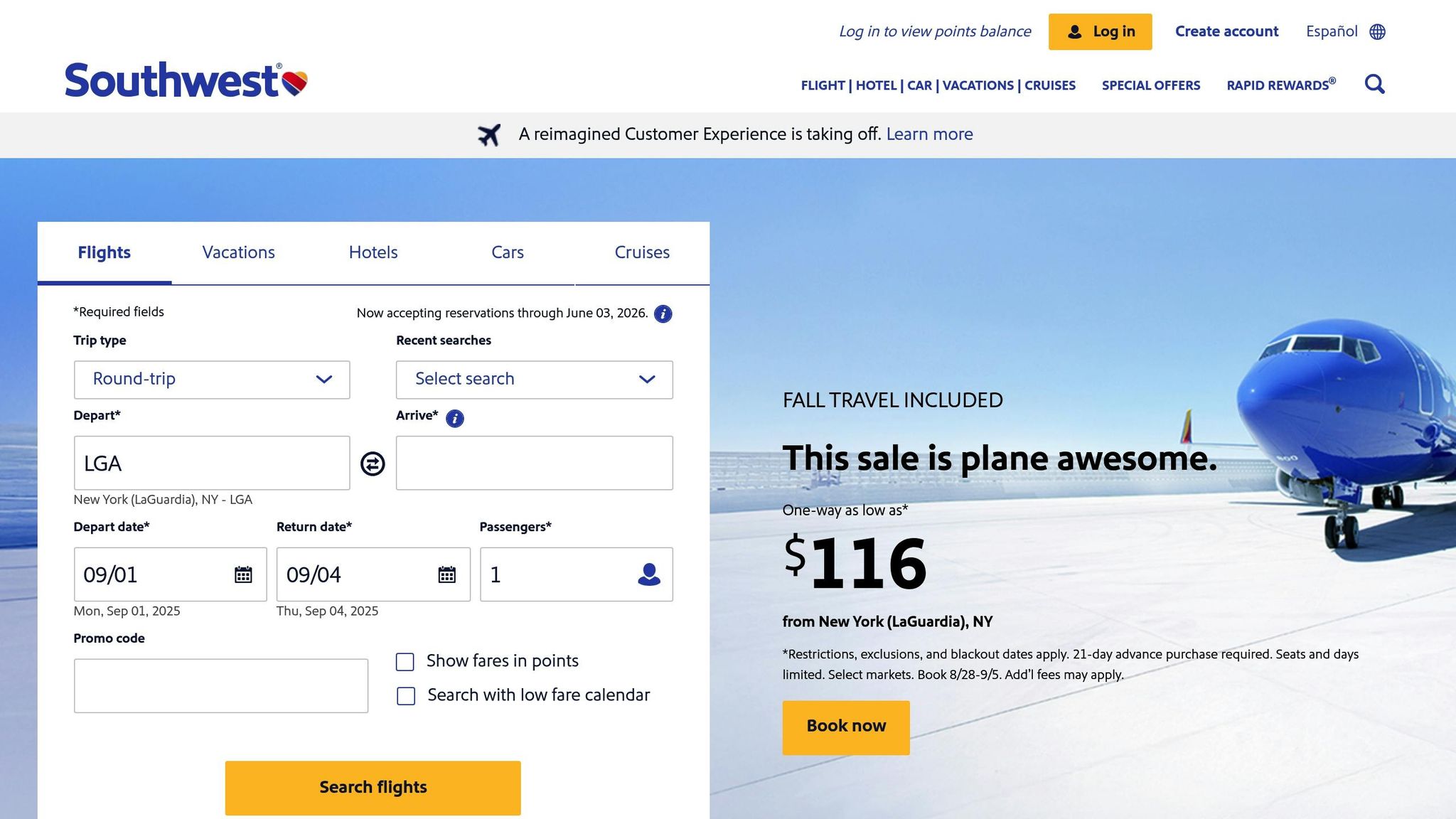
What Are The Benefits Of Booking Group Travel With Southwest Airlines? – Air Traffic Insider
Airline Change Policies for Group Bookings
Navigating group travel changes can be tricky, but understanding airline policies can make the process smoother.
Standard Group Booking Change Rules
Airlines typically have stricter rules and deadlines for group bookings compared to individual reservations. In most cases, change requests – such as altering travel dates, correcting passenger names, or adjusting group size – must be submitted well ahead of the departure date. Larger groups often require even more advanced notice. These changes are generally limited to the same fare class and routing. Major alterations, like switching from domestic to international routes or upgrading fare categories, often mean canceling and rebooking the entire group.
During busy travel seasons, airlines may impose extra restrictions, including blackout dates that prevent changes close to departure. Some carriers also cap the number of modifications allowed under a single reservation. On top of that, airlines usually charge administrative fees for each passenger when processing changes. These fees are separate from any fare differences if a higher-priced flight is selected.
These general rules provide a foundation for comparing how different airlines handle group booking changes.
Major Airline Policy Comparison
While the basic rules are similar, airlines vary widely in the specifics of their group booking change policies. Some U.S. carriers allow last-minute changes with a per-passenger fee, while others require earlier notice and have different fee structures. International airlines also differ – some need changes to be submitted as much as a week in advance, while others offer more flexibility.
Budget airlines, however, tend to be less accommodating. They often require earlier notice, charge higher fees, and enforce stricter limits on what can be changed.
In certain situations, airlines may waive change fees. For example, medical emergencies or military deployments often qualify for exceptions if proper documentation is provided. Similarly, weather-related disruptions that impact the group’s travel plans may also lead to fee waivers.
If you’re booking through Flight Booking 247, their travel concierges are available around the clock to help you navigate these policies. This 24/7 assistance can be a lifesaver when dealing with last-minute changes or coordinating complex itineraries involving multiple airlines.
Step-by-Step Process for Changing Group Bookings
Here’s how to navigate group booking changes smoothly.
Starting the Change Request
Before reaching out to the airline or travel provider, gather all the necessary details. This includes your group booking reference number, a complete list of passenger names as they appear on official ID documents, and specifics about the changes – like new travel dates, destinations, or updates to the passenger list.
Contact the airline’s group travel department promptly once you know adjustments are needed. Most airlines require written confirmation for any changes discussed over the phone, so be prepared to follow up in writing.
Ensure that the designated group representative is available to handle the changes. Airlines typically insist that all modifications be initiated by this individual. If you’re using a service like Flight Booking 247, their 24/7 travel concierge can simplify the process for you.
Handling Fees and Paperwork
Once you’ve initiated the change request, the next step is to address fees and complete the required documentation. The airline will calculate the costs associated with the modifications, including fare differences and per-passenger change fees. These fees vary depending on the airline and the type of change being made.
You’ll receive a detailed breakdown of costs, including the original fare, the updated fare, change fees, and any refunds or additional charges. Review this information carefully before approving the changes, as costs can sometimes exceed expectations. Payment is typically required immediately, and most airlines accept credit cards or wire transfers for group bookings.
Keep a record of all communications and confirmations. Once the changes are finalized, request updated itineraries for each passenger. Double-check that all names, dates, and details are accurate, as errors caught after final confirmation can lead to further complications.
After processing the changes, the airline will issue new confirmation numbers for the revised booking. Share these details with all group members, along with updated travel documents. Make sure everyone is informed about new departure times, gate information, and any changes to baggage policies.
Timing Your Changes
Timing is critical when making group booking adjustments. Acting early can help you avoid higher fees and limited options. Airlines are more likely to offer better availability and rates when changes are requested well in advance. On the other hand, last-minute modifications often come with higher costs and fewer choices.
During peak travel seasons, options become even more limited, and changes can be more expensive and complicated. Planning ahead is especially important during these busy periods.
Keep an eye on your group’s needs as the travel date approaches. If there’s any chance changes might be required – due to weather, business needs, or other factors – reach out to the airline as soon as possible to discuss contingency plans.
Be aware that emergency changes close to departure can be challenging. These last-minute adjustments often come with premium fees, and you may need to split the group across multiple flights if seats are scarce. Acting promptly is key to minimizing disruptions and keeping your group’s travel plans on track.
Money-Saving Tips and Stress Reduction
When it comes to managing group flight bookings, a little strategic planning can go a long way in keeping costs down and stress levels manageable. Here are some practical tips to help you navigate airline policies and avoid unnecessary fees.
Reducing Change Fees
One of the easiest ways to save money is to bundle all changes into a single request. Airlines often charge fees per change, per passenger. By consolidating adjustments – whether it’s for travel dates, destinations, or passenger lists – you can significantly cut costs, especially for larger groups.
Another smart move is to take advantage of free name changes when airlines offer them. For example, United Airlines allows one free name change per passenger before departure, though they charge $100 for same-day changes. Similarly, American Airlines provides one free change per ticket.
Timing is everything when it comes to saving on fees. For instance, Frontier Airlines has a tiered fee system: no charge for changes made 60 or more days before departure, $49 for changes made 7–59 days prior, and $99 for changes within six days of travel. If you book their Economy, Premium, or Business bundles, change fees are waived entirely, regardless of timing.
If your group size changes, make sure to understand credit policies for unused seats. Some airlines offer travel credits for canceled group seats, often with specific restrictions and expiration dates. Review your group contract carefully and contact the airline early to secure the best possible terms.
| Airline | Change Fee (60+ days) | Change Fee (7–59 days) | Change Fee (≤6 days) | Free Name Changes |
|---|---|---|---|---|
| Frontier (Standard) | $0 | $49 | $99 | Not available |
| Frontier (Bundles) | $0 | $0 | $0 | Not available |
| United Airlines | Varies | Varies | Varies | 1 per passenger ($100 day-of) |
| American Airlines | Not specified | Not specified | Not specified | 1 per ticket |
For those last-minute changes or complicated situations, having expert help can make all the difference.
24/7 Travel Support Services
When time is of the essence, or the situation is more complex than you can handle, services like Flight Booking 247 offer round-the-clock concierge support. These experts can help you find alternative flights, negotiate with airlines, and manage unexpected issues.
This kind of support is particularly useful during after-hours emergencies, such as weather disruptions, sudden schedule conflicts, or last-minute passenger changes. Instead of scrambling to figure out airline policies on your own, you’ll have someone to guide you through the process.
What’s more, these travel concierges often save money by negotiating on your behalf. Their deep knowledge of airline policies can uncover cost-saving opportunities that most travelers would miss, helping you avoid expensive mistakes during urgent changes.
Common Mistakes to Avoid
Avoiding common pitfalls can save you both time and money:
- Procrastinating on change requests can lead to higher fees. As the departure date approaches, airlines offer fewer options and charge more for changes. What’s free 60 days out could cost a lot closer to the travel date.
- Failing to use complimentary services is another costly mistake. Many travelers don’t realize they might be eligible for free name changes or waived fees, so it’s worth checking your booking details carefully.
- Submitting multiple change requests instead of consolidating them into one can rack up unnecessary fees.
- Poor communication within the group often leads to confusion and extra costs. Assign one person to handle all airline communications to ensure clear and consistent messaging. This avoids delays and potential fee increases caused by mixed signals.
U.S. Traveler Considerations
Traveling from the United States comes with its own set of challenges, especially when organizing group flight bookings. Knowing the differences between domestic and international travel – and understanding your rights as a U.S. passenger – can make a big difference in how smoothly you manage changes and protect your group’s investment. These factors build on the earlier discussion about the complexities of group bookings.
Domestic vs. International Group Bookings
Domestic group bookings within the U.S. are generally more straightforward to manage. These trips often involve fewer hurdles, like staying within the same time zones, using U.S. dollars, and dealing with simpler airline policies. Major carriers such as Delta, American Airlines, and United make it easier to handle changes for domestic groups, offering online tools or dedicated group service desks during regular business hours.
International group bookings, on the other hand, can get tricky. For example, if your group booked flights to Europe when the euro was weaker compared to the dollar, and you later need to make changes after the euro strengthens, you might face higher costs.
Time zone differences can also slow things down. Say you’re working with an airline based in Europe – if their customer service hours don’t align with U.S. time zones, resolving an urgent issue might take longer. Additionally, international flights often come with stricter policies and higher fees for changes, especially during peak seasons for popular destinations.
Another factor to consider is visa and documentation requirements. If you need to change destinations or travel dates, some group members might have to update their visas or other travel documents. This could lead to delays and extra expenses, which are less of a concern for domestic trips.
U.S. Passenger Rights and Refunds
U.S. travelers benefit from specific protections that can help when managing group bookings. These rights, enforced by the Department of Transportation (DOT), ensure airlines stick to the policies they advertise, giving passengers a level of accountability.
One of the most helpful protections is the 24-hour rule. Airlines must allow passengers to cancel or modify bookings within 24 hours of purchase without penalty, as long as the booking was made at least seven days before departure. This grace period is especially useful for group organizers who may need to confirm details with all travelers before finalizing plans.
If an airline makes a major schedule change, you may qualify for a full refund – even on non-refundable tickets. This applies to group bookings too, though you’ll need to coordinate these refunds through the airline’s group services.
Credits and vouchers offered by airlines also come with their own rules. U.S. regulations require carriers to clearly outline the terms, including expiration dates and whether credits can be transferred to other passengers. Pay close attention to these details when planning adjustments for your group.
Travel insurance is another consideration, particularly for international trips. While domestic disruptions are often covered by airline policies, international issues – like political unrest, natural disasters, or pandemic-related restrictions – may require additional coverage. Review your group’s travel insurance policy to understand what’s covered for voluntary versus involuntary changes.
For groups including travelers with disabilities, the Americans with Disabilities Act (ADA) provides extra protections. Airlines cannot charge additional fees for accommodations related to disabilities, even if changes are made to the booking. Make sure to document any special needs in advance to ensure proper arrangements are in place.
Even when working with international airlines, U.S. consumer protection laws apply to flights departing from U.S. airports. This can give you added leverage when negotiating changes for group bookings involving foreign carriers.
Key Takeaways for Group Flight Changes
Managing group flight changes effectively boils down to understanding airline policies, planning ahead, and having reliable support when needed. Group bookings operate under different rules than individual tickets, so strategies that work for personal travel may not apply to group trips. Here’s a quick recap to help you stay on track.
Understand airline policies before booking. Every airline has its own set of rules for group bookings. Familiarizing yourself with these policies can help you avoid unexpected fees and surprises down the road.
Plan changes early to save money. Timing is everything when it comes to group travel. Making changes well in advance not only helps you secure better rates but also ensures more options for rebooking and seat availability. This reduces the chances of splitting your group or facing inflated fares.
Get expert support for complex changes. Early contact with an airline’s group desk can unlock perks like free name changes or adjustments limited to fare differences. Services like Flight Booking 247 provide 24/7 access to travel experts who can handle negotiations with airlines, manage documentation, and find the best fares – especially during emergencies or off-hours.
Avoid common pitfalls. Missing deadlines, misunderstanding fee structures, or failing to provide proper documentation can derail your plans and rack up unnecessary costs. Clear and centralized communication can help sidestep these issues.
Appoint a single point of contact. Designate one group leader or travel agent to handle all communication with the airline. This ensures that nothing gets overlooked and streamlines the entire process. Using simple tracking methods can also help meet deadlines and keep everything organized.
Account for differences between domestic and international bookings. Domestic group changes within the U.S. are generally more straightforward, while international trips often involve stricter rules, higher fees, and coordination with partner airlines. For international travel, don’t forget to factor in passport, visa, and entry requirements to ensure compliance.
Ultimately, successful group flight changes require proactive planning and professional support. Whether you’re working directly with airline group desks or relying on 24/7 services like Flight Booking 247, having expert guidance can help you navigate complicated policies, cut costs, and minimize stress for everyone involved.
FAQs
What are the common mistakes to avoid when changing group flight bookings, and how can they affect costs?
When it comes to changing group flight bookings, a few common missteps can lead to extra expenses. One major pitfall is not planning ahead – last-minute changes often come with steep price hikes and limited seat options. Another issue is that many group contracts include strict conditions, making it tricky to modify or upgrade without paying additional fees. On top of that, overlooking reservation details or failing to track schedule changes can result in missed chances to adjust plans or unexpected penalties.
To steer clear of these problems, take the time to carefully review the terms of your group booking, make any changes as early as possible, and keep an eye on your reservation status. These simple steps can help you save money and make the process smoother for everyone in your group.
What are the key differences between airline policies for domestic and international group bookings, and what should travelers keep in mind for international trips?
When it comes to domestic group bookings, airlines tend to keep things simple. These bookings usually offer more flexible options for changes and cancellations, come with lower fees, and require minimal paperwork. Since the travel stays within the same country, managing these arrangements is typically more straightforward.
On the other hand, international group bookings can be a bit more challenging. Travelers need to consider passport validity, obtain the necessary visas, and comply with customs regulations. Security measures are often tighter, check-in times are longer, and fees for changes or cancellations can be steeper due to cross-border rules. Proper planning is crucial to make sure everyone meets entry requirements and avoids unexpected delays or extra costs.
How can group leaders handle last-minute travel changes to keep plans on track?
Group leaders can manage last-minute travel changes smoothly by staying adaptable and responding promptly. Tools like airline apps or travel services are great for quickly rebooking flights and accommodations. Sometimes, reaching out directly to service providers can lead to better options or solutions.
Maintaining a positive attitude and fostering open communication within the group can ease stress and keep everyone in the loop. Preparing ahead by having backup plans and being familiar with airline policies for changes or cancellations can also help cut down on disruptions and avoid surprise expenses.