Airline baggage fees are skyrocketing, but avoiding them doesn’t have to be complicated. With airlines collecting billions annually from these charges, understanding how to pack smarter and plan ahead is crucial for saving money. Here’s how you can avoid paying extra:
- Know your airline’s baggage rules: Check weight, size, and fee policies before you pack.
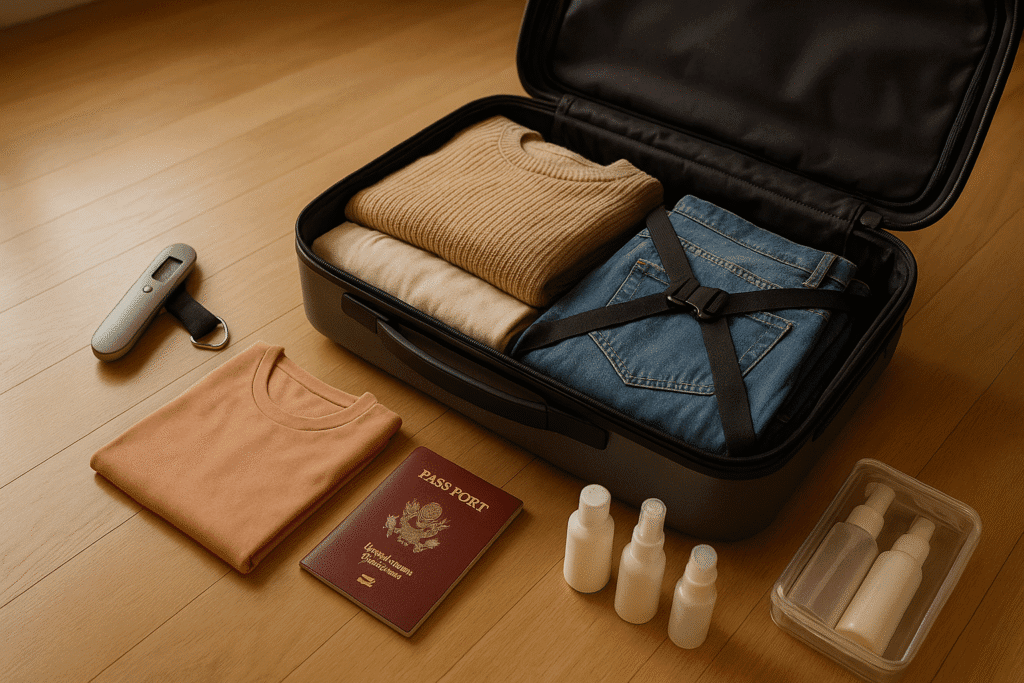
- Weigh and measure your luggage at home: Use a digital luggage scale and tape measure to avoid surprises.
- Pack light: Choose versatile items and stick to essentials.
- Maximize carry-on space: Use the full allowance for your carry-on and personal item.
- Share luggage with travel partners: Combine items to reduce the number of bags.
- Prepay for extra baggage online: It’s often cheaper than paying at the airport.
- Consider luggage shipping services: These can be more affordable for heavy or oversized items.
Quick tip: Prepaying for your baggage online can save up to 50% compared to airport fees. With a little preparation, you can sidestep hefty charges and travel stress-free.
10 Ways to Avoid Baggage Fees! 🧳 NEVER Pay for Luggage Again!
1. Learn Your Airline’s Baggage Rules
Understanding your airline’s baggage rules can save you from unexpected fees. Airlines have varying guidelines for weight, size, and fees based on the carrier, route, and ticket class. For example, most domestic flights allow carry-ons weighing up to 35 lbs, while international flights often limit them to 16–18 lbs. Checked bags on domestic routes are usually capped at 50 lbs, but some international flights or premium ticket holders may get an allowance of up to 70 lbs.
Size limits are another important factor. Checked luggage typically cannot exceed 62 linear inches (length + width + height). For carry-ons, many international flights restrict dimensions to about 22″ x 15″ x 10″, and personal items are often limited to around 40 linear inches (approximately 18″ x 14″ x 8″).
Your travel class and loyalty status can also influence your baggage allowance. Economy travelers, for instance, often face stricter limits compared to those flying in premium classes.
Since airlines frequently update their policies, it’s a good idea to check the latest rules on their website before you pack. Don’t forget to measure your luggage, including handles and wheels, to ensure it meets the requirements. Spending a few minutes reviewing these details now can save you from hefty fees later.
Being prepared also helps you avoid the higher fees often charged at the airport for overweight or oversized bags. Taking 10–15 minutes to review your airline’s baggage policy can make your trip smoother and more cost-effective.
2. Check Your Bag Weight and Size at Home
Avoiding surprise fees starts with a simple yet often overlooked step: checking your luggage at home. In 2022 alone, passengers shelled out a staggering $6.8 billion in baggage fees – many of which could have been avoided with a bit of preparation.
As Aiden Higgins, Senior Editor at The Broke Backpacker, advises:
“At least weigh your suitcase before you even book the flight. Airlines now strictly enforce weight limits.”
Even small additions like toiletries or souvenirs can tip your bag over the weight limit once it’s fully packed. A quick check at home can save you from costly surprises at the airport.
Save Money by Being Prepared
Skipping the bag check at home could cost you big. Excess weight fees range from $75 to $200 depending on the airline and how much your bag exceeds the limit. For instance, Spirit Airlines charges $125 for bags weighing 51 to 100 pounds and $150 for oversized luggage measuring 63 to 80 linear inches.
The solution? Affordable digital luggage scales, which can be bought for just a few dollars. Spending a little upfront can save you hundreds in fees later.
Tools You’ll Need
Checking your bag’s weight and size at home doesn’t require fancy equipment. Here’s what you’ll need:
- A digital luggage scale for accurate weight measurements.
- A bathroom scale as an alternative – just weigh yourself with and without the bag to calculate its weight.
- A flexible tape measure to check your bag’s dimensions, including wheels and handles. Round up to the nearest inch to ensure compliance with airline rules.
By taking these steps, you’ll avoid last-minute stress and unexpected charges.
Avoid Fees Before They Happen
Knowing your bag’s weight and size ahead of time puts you in control. If your luggage exceeds the airline’s limits, you can often purchase extra weight or size allowances online before check-in – and at a much lower cost than paying at the airport. This is especially important for budget airlines, which tend to strictly enforce their policies.
For reference, a standard checked bag typically costs $30–$35, but fees for excess weight can quickly add up. Airlines generally won’t accept bags over 100 pounds, and many cap their limits at 70 pounds. The most common size restriction for checked luggage is 62 linear inches.
3. Pack Light and Choose Items Carefully
Once you’ve made sure your luggage meets the airline’s weight and size limits, the next step is to pack efficiently. The goal is to bring only the items you truly need. Everything in your bag should either serve multiple purposes or be absolutely essential for your trip.
The rule of thumb? Pack only what’s necessary.
How Packing Light Saves Money
Traveling light isn’t just convenient – it can save you money. Travel expert Rick Steves sums it up well:
“You can’t travel heavy, happy, and cheap. Pick two.”
Packing thoughtfully with versatile items can help you avoid spending money on replacements or extras once you arrive. For instance, a pair of convertible pants that function as both trousers and shorts eliminates the need to pack separate options for different activities. Similarly, opting for soap bars instead of liquid shower gel is a smart financial move, considering that liquid gels are mostly water – up to 90%.
Experts at REI suggest packing multipurpose items, like a poncho that doubles as a raincoat, umbrella, or backpack cover. Another great example is a sarong, which can serve as a towel, picnic blanket, or even a skirt. Convertible pants that zip off into shorts are perfect for warm hikes and can transform back into long pants for dinner.
How to Pack Light Without Stress
Switching to a minimalist packing style doesn’t require much effort, but it does take careful planning. Start with a checklist of essentials, and leave out anything that doesn’t make the cut.
Here’s a simple formula to help you pack smarter: one hat, two pairs of shoes, three bottoms, four tops, five pairs of socks, and six pairs of underwear. Opt for performance fabrics – they’re breathable, quick-drying, wrinkle-resistant, and moisture-wicking.
Keep toiletries simple, too. If you can buy them at your destination, leave them at home. Pack travel-size essentials and consider solid alternatives to liquids. For example, a bandana or Buff neckwear can serve multiple purposes: it can keep your neck warm, protect you from the sun, or even act as a sleep mask.
Why Frequent Flyers Should Embrace Light Packing
For frequent travelers, especially business flyers, packing light is a game-changer. The key is to plan for laundry during your trip and limit yourself to about a week’s worth of clothing, no matter how long you’ll be away.
Sticking to a neutral color palette makes it easier to mix and match outfits while some items are being laundered. Neutral tones also hide stains better and pair effortlessly with each other.
If you don’t absolutely need your laptop, consider leaving it behind. A small media storage device for backing up photos and a portable battery pack for charging devices can be great alternatives.
Save Space and Avoid Extra Fees
Packing strategically doesn’t just save you money – it also saves space. Compression bags and rolling clothes can increase your packing capacity by up to 60%.
As packing expert Kelly Baker explains:
“If you’re someone who tends to overpack, struggles to close your suitcase, or just wants a cleaner packing setup, compression packing is 100 percent worth trying.”
Beyond saving money, traveling light offers psychological benefits. According to REI’s travel experts:
“Packing light means more freedom when you travel. With less to lug around, you can easily maneuver through crowded spots, speed through baggage claim, make last-minute plans without worrying what to do with your stuff and spend less time tracking gear.”
4. Use Your Full Carry-On Space
Your carry-on bag is like free real estate that often goes underutilized. For most American domestic flights, the standard carry-on size is 22″ x 14″ x 9″. Every inch of that space can help you dodge those hefty checked baggage fees, which can range anywhere from $30 to $200 depending on your airline and destination. With this in mind, here’s how you can make the most of your carry-on space.
Save Money by Packing Smart
Making the most of your carry-on can save you from extra fees. For instance, budget airlines might charge around $15 per extra kilogram on the day of your flight, while premium carriers could hit you with fees as high as $55 per kilogram depending on your route. Delta’s fees for overweight bags can range from $100 to $200, and other major airlines may charge close to $70 for a bag that exceeds weight limits. Instead of shelling out for checked baggage, consider upgrading to a slightly larger carry-on – it’s often a much cheaper alternative.
Simple Packing Tips to Maximize Space
You don’t need any fancy gear or special skills to make full use of your carry-on. Start by rolling lightweight clothing items like t-shirts, shorts, and dresses. Packing cubes can help keep everything organized, while shoes can double as storage for smaller items like socks or chargers. For bulkier or stiffer items, fold them neatly and place them at the bottom of your bag for better weight distribution.
Tricks for Frequent Travelers
If you travel often, planning your outfits in advance can help you pack smarter. Stick to versatile clothing pieces to avoid overpacking. Another great tip? Wear your heaviest items – like boots, a thick jacket, or a bulky sweater – on the plane to free up space in your carry-on. For group trips, coordinate with your travel companions to share essentials like hair dryers, chargers, or toiletries. These small changes can make a big difference, saving space and reducing the risk of extra fees.
Avoiding Fees with Smart Packing
Many premium airlines allow you to bring two items onboard – a carry-on bag and a personal item, such as a laptop bag or purse. On the other hand, budget airlines often let you upgrade your in-cabin allowance for a much lower cost than checking a bag. Be mindful of restrictions, though. For example, United’s basic economy tickets only permit one personal item, so adjust your packing accordingly.
Travel-sized toiletries are also a game-changer. Stick to TSA-approved sizes (under 100 mL) and pack only what you’ll need. For longer trips, compression bags can help shrink the volume of your clothing. And don’t forget to use a portable luggage scale at home to ensure you stay within the weight limits. These strategies not only help you avoid fees but also make your travel experience smoother and more efficient.
5. Share Luggage Space with Travel Partners
Traveling with a companion? Sharing luggage space can be a smart way to save money and lighten the load. This strategy pairs well with other packing tips and can make your trip more efficient and cost-effective.
Cost-saving potential
Pooling luggage space can help you avoid those annoying airline baggage fees. By distributing the weight across bags, you’re more likely to stay within the airline’s weight limits. In fact, some airlines even allow passengers booked on the same reservation to combine their checked baggage allowance when checking in together. For instance, if one traveler’s bag is underweight, the extra allowance can be used by their travel partner.
“Traveling together reduces overall baggage weight… Two sets of toiletries? No need when you’re sharing shampoo.” – Hannah Harrison, Blogger
Think about it – why pack two hair dryers, adapters, or bottles of sunscreen when you can share? Eliminating duplicates is an easy way to cut down on unnecessary weight.
Ease of implementation
Getting started with shared luggage requires a bit of planning but isn’t complicated. Before your trip, create a shared packing list to identify bulky or shareable items. Essentials like hair brushes, deodorant, sunscreen, bug spray, cameras, and even books or sweatshirts can often be shared. Packing cubes can help keep each person’s items organized within the same suitcase. Don’t forget to weigh your bags before you head to the airport to ensure you stay within airline limits.
Practicality for frequent flyers
For those who travel often, sharing luggage can become second nature. Frequent flyers – especially couples or business partners – can streamline the process by using standardized packing lists and dividing shared items ahead of time. This method works particularly well for people who regularly travel together and are comfortable coordinating their packing routines.
That said, keep in mind that security regulations typically require each traveler to be responsible for their own belongings. If you include someone else’s items in your luggage, you might face extra scrutiny during security checks. Be prepared to explain ownership of all items for both security and insurance purposes.
Effectiveness in avoiding fees
The key to making shared luggage work is clear communication and planning. Have an open discussion with your travel partner about what you’re comfortable sharing – like clothing sizes or accessories – and stick to the agreed plan. Opt for versatile clothing that can be mixed and matched to further reduce the need for extra items.
Once you’ve maximized your shared space, you can always explore online options for purchasing additional baggage allowances if necessary.
6. Buy Extra Baggage Online Before Your Flight
Packing efficiently can save you money, but sometimes you just need more space. If that’s the case, paying for extra baggage online before your flight is a smart way to dodge steep fees at the airport.
Save Money by Prepaying
Prepaying for extra baggage online can lead to significant savings. For example, major U.S. airlines charge around $35 for the first checked bag when paid online, compared to $40 at the airport. Internationally, the savings can be even greater – up to 70% in some cases. Emirates, for instance, offers discounts ranging from 35% to 60% when you pre-purchase baggage compared to airport prices.
The savings are even more striking with budget airlines. Ryanair and easyJet, for example, can charge £11-£12 per extra kilogram at the airport, while Emirates may charge as much as €50 per kilogram depending on your route.
“It incentivizes people to get the transaction out of the way. It’s easier for them, and honestly, it’s easier for us.” – Barry Biffle, Frontier Airlines CEO
How to Prepay for Extra Baggage
The process is simple: log in to your booking online, navigate to the ‘Manage Booking’ or ‘Add Extras’ section, select the extra baggage option, and pay with your credit card. Most airlines allow you to prepay for baggage until just a few hours before your flight. Once at the airport, you can print your bag tags and head straight to the bag drop counter, skipping the usual check-in lines. This not only saves money but also makes the airport experience smoother and faster.
Ideal for Frequent Travelers
For frequent flyers, prepaying for baggage is a game changer. It allows you to use expedited bag drop services, bypassing the long check-in lines that are common during peak travel times. Over the course of multiple trips, the savings add up. If you’re someone who flies often and consistently needs extra baggage, those $5-$10 discounts per bag can make a noticeable difference over time.
Avoiding Last-Minute Fees
Airlines encourage online baggage purchases not just to boost revenue but also to improve the airport experience. As an American Airlines spokesperson noted, prepaying for baggage “allows our team members to spend more time with customers who require additional assistance with their travel journey”. This helps reduce wait times and ensures faster service for everyone.
If you know you’ll need extra baggage, planning ahead and prepaying online is the way to go. It’s a straightforward way to save money, save time, and make your travel experience a little less stressful.
7. Use Other Luggage Options and Travel Services
Beyond strategic packing, exploring alternative luggage options can help you dodge those pesky baggage fees. Services like luggage shipping, short-term storage, and travel concierge support not only save money but also make your journey more comfortable.
Saving Money with Luggage Services
Shipping your luggage can often be cheaper than paying airline baggage fees, especially for heavy or oversized items. For instance, ShipGo offers rates that are up to 60% less than major carriers, with basic shipping starting at $34.99. Compare that to airlines, which typically charge $50–$100 for an extra checked bag and over $100 for overweight luggage. For domestic trips, Sherpr ships standard suitcases for $30–$50, while international rates start at $60.
Another option, Luggage Forward, starts at $99 per bag and even guarantees timely delivery. As they state:
“When you send your luggage with us, it is guaranteed to arrive on time or we’ll refund you double what you paid to ship the bag.”
For shorter-term needs, storage services like LuggageHero and Bounce are affordable and convenient. LuggageHero charges $3.48 per bag, while Bounce costs $3.90 per day. These services are perfect for layovers, early hotel check-ins, or exploring a city without dragging your bags around.
Easy to Use and Convenient
Using these services is a breeze. Most luggage shipping companies offer door-to-door service, real-time tracking, and complimentary insurance. You can book online, print a shipping label, and schedule pickup from your home or hotel.
LugLess, for example, has created an affordable luggage shipping platform by tapping into existing logistics networks. Storage services are just as simple: Bounce operates over 23,000 storage spots worldwide, while LuggageHero has more than 2,000 trusted locations. With their apps, you can book storage, drop off your bags at a nearby spot, and pick them up at your convenience. These streamlined processes not only cut costs but also make travel less stressful.
Ideal for Frequent Flyers
For frequent travelers, these services go beyond saving money – they save time and reduce hassle. Business travelers, in particular, benefit from not having to haul heavy bags through crowded airports. Studies show that 89% of passengers would join a trusted travel program to speed up security. Services like airport concierge programs can further ease the burden. As an airssist expert explains:
“By using airport concierge services, you significantly reduce stress. The concierge handles all logistical tasks, including rebooking, lost luggage claims, or language barriers.”
Concierge services, such as those offered by Flight Booking 247, can even coordinate luggage solutions as part of a larger travel support package. This is especially useful for managing complex itineraries or last-minute flight changes. For example, LuggageHero has safely stored over 1 million bags, underscoring the reliability of these services.
Proven Effectiveness
Customer reviews consistently highlight the success of these services. LugLess has earned more than 10,000 5-star reviews on Trustpilot, ShipGo holds a 4.8 out of 5 rating from over 2,000 reviews, and Bounce maintains an impressive 4.9 rating from more than 1.1 million reviews.
Real-life experiences back up these ratings. In July 2025, a ShipGo representative personally met a customer, Marsha, upon her arrival in Southampton, ensuring her luggage arrived safely. Similarly, William Cole, a Luggage Free customer, praised the service for delivering as promised after his trip to Rome.
These alternatives are excellent companions to smart packing strategies, offering flexibility for travelers who want extra space or prefer a hands-free experience – all while keeping airline baggage fees at bay.
Baggage Fee Comparison
Understanding baggage fees can help you plan your travel budget and prevent unexpected costs. By comparing fees across airlines, you can find the best option that fits your needs.
For major U.S. airlines, the cost of checking a basic bag typically ranges from $35 to $40, but fees can rise quickly for additional bags or for exceeding weight and size limits.
Starting May 28, 2025, Southwest Airlines will no longer offer two free checked bags. Instead, they will charge $35 for the first bag and $45 for the second. However, certain passengers – like those with elite status, Business Select tickets, or Rapid Rewards credit cards – will still qualify for at least one free checked bag.
| Airline | First Checked Bag | Second Checked Bag | Overweight Fee | Oversized Fee |
|---|---|---|---|---|
| Alaska Airlines | $35 | $45 | $100 | $150 |
| American Airlines | $35–$40 (online: $35) | $45 | $30–$200 | $30–$200 |
| Delta Air Lines | $35 | $45 | $100 | $100–$300 |
| Frontier Airlines | $60+ | Varies | $75–$100 | $75 |
| JetBlue | $35–$50 | $50–$60 | $150 | $150 |
| Southwest Airlines | $35 (as of May 28, 2025) | $45 (as of May 28, 2025) | $150–$200 | $200 |
| Spirit Airlines | $50+ | Varies | $125 | $150 |
| United Airlines | $35–$40 (online: $35) | $45–$50 (online: $45) | $100–$200 | $200 |
The table highlights key differences in fees among airlines. Budget carriers like Spirit and Frontier tend to have higher baggage fees. For instance, Frontier’s first checked bag starts at $60, while Spirit’s starts at $50, with costs increasing based on the route and travel date.
Booking timing can make a difference. For example, American Airlines charges $40 at the airport compared to $35 online, and United Airlines charges $35/$45 online versus $40/$50 at the airport. JetBlue adds $10 to their rates if you wait until within 24 hours of departure.
When it comes to overweight and oversized baggage, fees vary widely. American Airlines uses a tiered system, charging $30 extra for bags weighing 50–53 pounds and $100–$200 for bags over 53 pounds. JetBlue, on the other hand, applies a flat $150 fee for overweight bags (51–99 pounds) and oversized luggage (63–80 inches).
For international travel, many airlines include checked baggage in the ticket price. For example, Emirates typically allows at least one checked bag depending on the route and fare type, while Qatar Airways includes at least one, and sometimes two, checked bags in their fares.
One way to save? Prepaying for checked bags online is often cheaper than paying at the airport.
Conclusion
Dodging excess baggage fees boils down to being prepared. The tips shared earlier can help you save hundreds of dollars while steering clear of those dreaded surprise fees at the airport. Considering that U.S. airlines rake in billions annually from baggage charges, these fees aren’t going away anytime soon.
The best strategy? Combine understanding your airline’s baggage rules, weighing your luggage at home, and packing smartly. A simple digital luggage scale, which you can snag for as little as $8, can help you avoid overweight fees that could climb as high as $450 per bag. Plus, paying for extra weight online ahead of time can save you up to 50% compared to airport counter fees. A little effort before your trip can make a big difference.
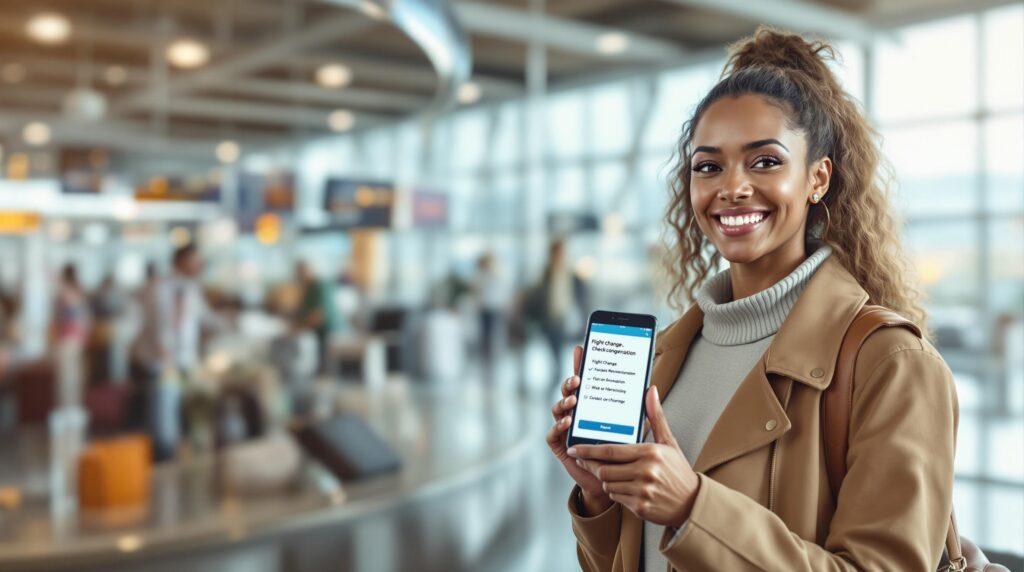
If airline baggage policies feel overwhelming or your travel plans are more complicated than usual, Flight Booking 247’s round-the-clock concierge service can step in to guide you through the maze of baggage rules and help streamline your trip.
Here’s the takeaway: excess baggage fees can sometimes cost as much as your airfare. A few simple steps can keep those costs in check, leaving you with more to spend on the parts of your trip that truly matter.
FAQs
How can I check the latest baggage rules for my airline and trip?
When preparing for your trip, it’s always wise to double-check the latest baggage rules directly with your airline. Visit the airline’s official website or give their customer service a call to get the most accurate and up-to-date information. Airlines frequently adjust their baggage policies, especially around seasonal or annual changes, so confirming closer to your departure date can save you from any surprises.
Need extra assistance? Flight Booking 247 is available around the clock to help you navigate the process and ensure you have all the details you need before you travel.
How can I pack efficiently to avoid excess baggage fees while still bringing everything I need?
When it comes to packing smart and dodging those pesky baggage fees, the key is to stick to just the essentials. Opt for lightweight, versatile clothing that you can easily layer or mix and match. Planning your outfits ahead of time can also help you avoid the temptation to overpack. Here’s a tip: wear your bulkiest items, like jackets or boots, on the plane to free up room in your suitcase.
To make the most of your luggage space and keep things tidy, consider using packing cubes or compression bags. As for shoes, less is more – limit yourself to two or three pairs that can handle a variety of activities. And don’t forget to double-check your airline’s baggage rules before you leave. Knowing their weight and size limits ahead of time can save you from unexpected fees and last-minute stress.
What are the benefits of using luggage shipping services instead of checking bags at the airport?
Using luggage shipping services comes with a range of perks that go beyond just dodging those pesky excess baggage fees. For starters, many providers offer insurance coverage for your items, guaranteed delivery times, and the option to ship belongings that exceed airline weight or size restrictions. This not only simplifies the packing process but also spares you the headache of lugging around heavy or oversized bags at the airport.
Another major plus? The door-to-door delivery service. Your luggage is sent straight to your destination, so you can skip the baggage claim chaos and the worry of misplaced items. It’s an ideal solution for travelers who want a smoother journey and more time to focus on enjoying their trip.